fixtures
Shower Installation, Valves & Remodels
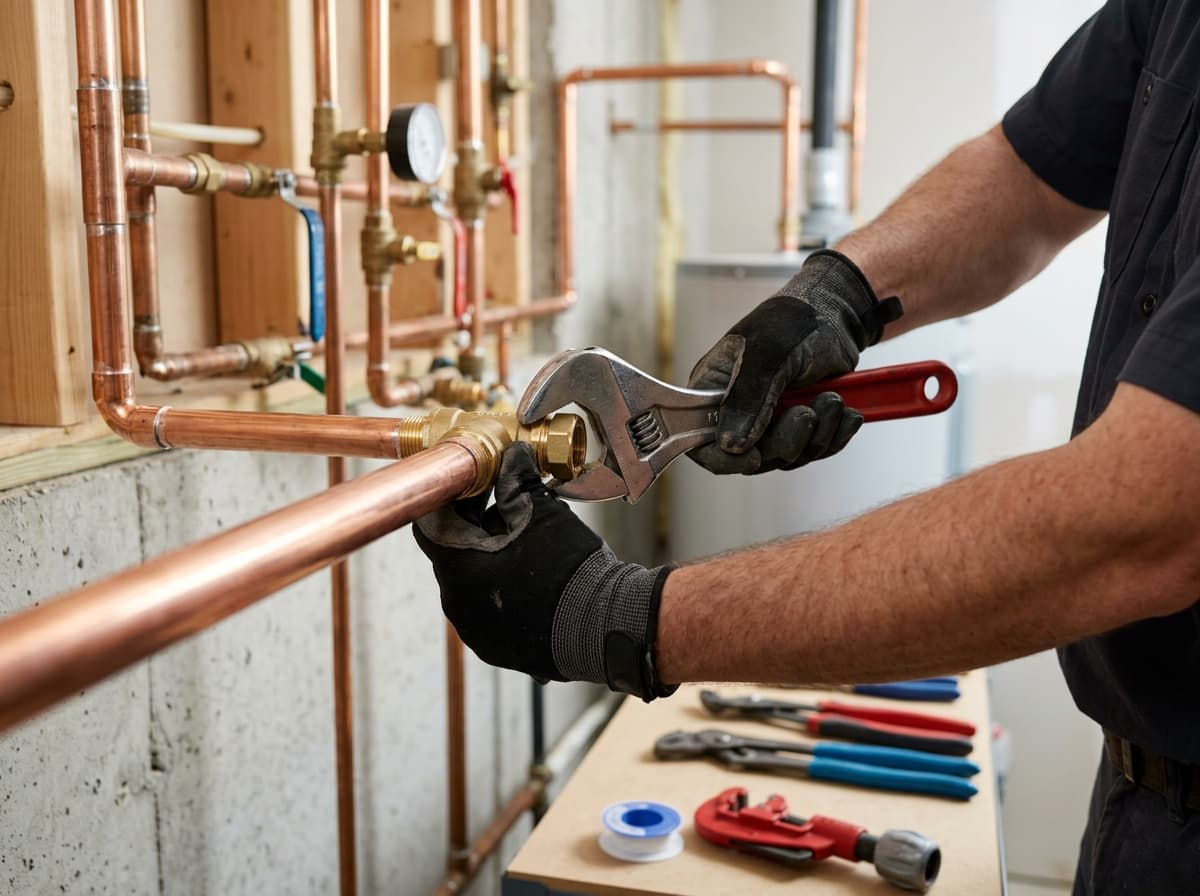
A great shower starts behind the wall. The valve, the drain, the waterproofing, and the water pressure all have to be right — or the beautiful tile and glass on the surface won't matter. Whether you're replacing a tired shower, converting a tub to a walk-in shower, or building a brand-new bathroom, professional installation protects your home from the slow leaks that cause the most expensive water damage.
A full installation includes the shower valve (the mixer behind the wall that controls temperature and flow), the showerhead and trim, the drain and trap, and the supply lines — all roughed in at the correct heights and depths before tile or surround panels go on. A tub-to-shower conversion removes the old tub and reconfigures the drain and plumbing for a walk-in shower base. Valve choice matters more than most people realize. A pressure-balancing valve prevents sudden temperature swings when a toilet flushes elsewhere in the house. A thermostatic valve holds an exact temperature and is ideal for multi-head showers.
Signs You Need Shower Installation
- Water temperature swings wildly — an old or failing valve can't hold a steady temperature.
- Low water pressure in the shower only — a clogged valve or corroded supply lines may need replacing, not just cleaning.
- Leaks behind the wall or under the floor — stains on the ceiling below the bathroom mean the shower plumbing is failing.
- Mold that keeps coming back — water getting behind cracked grout or a failed surround means the shower needs rebuilding, not just re-caulking.
- You're converting a tub to a shower — walk-in showers are easier to access and a popular remodel choice.
Our Process
Assessment
The plumber checks water pressure, drain location, valve access, and the condition of existing supply lines.
Upfront Quote
You get a clear price for the installation, including the valve, fixtures, and any rough-in work, before work begins.
Installation
Old fixtures are removed, the new valve and drain are roughed in, supply lines are connected, and the showerhead and trim are fitted.
Testing
The plumber pressure-tests the valve, checks every connection for leaks, and confirms temperature control and drainage.
What Affects the Cost
- Replacing a shower valve and fixtures in an existing shower typically runs $500–$1,500.
- A full new shower installation usually costs $1,500–$5,000, depending on the valve type, number of showerheads, and whether the drain must move.
- A tub-to-shower conversion generally runs $2,000–$8,000, including the base, surround, and plumbing changes.
- Valve type (pressure-balancing vs. thermostatic), tile and surround work (often done by a separate contractor), whether walls must be opened, and local permit requirements all affect the final price.
- Costs vary by location and job; your plumber provides an exact quote after an on-site diagnosis. Emergency or after-hours service typically carries a surcharge of $50–$150 or 1.5–2x the standard rate.
✓ Safe to DIY
- Clean the showerhead every few months — soak it in vinegar to dissolve mineral buildup and restore flow.
- Re-caulk and re-grout promptly; cracked grout lets water behind the wall, where it causes hidden damage.
- Run the fan during and after showers to reduce moisture and mold growth.
- Check for leaks below the shower — stains on the ceiling underneath are an early warning sign.
✕ Stop & Call Us
- Do not attempt to replace a shower valve yourself — it sits behind the wall and a bad connection leaks into the framing for months before you notice.
- Do not ignore temperature swings; a valve that can't hold temperature is wearing out and should be replaced.
- Do not move a shower drain without a permit and inspection where local code requires it.
Frequently Asked Questions
How long does it take to install a new shower?
Replacing a valve and fixtures takes about half a day. A full new shower installation takes 1–3 days of plumbing work; a complete remodel with tile and glass takes longer.
Can I convert my bathtub to a walk-in shower?
Yes. A plumber removes the tub, reconfigures the drain, installs a shower base and valve, and fits the new fixtures. It's one of the most popular bathroom remodels, especially for accessibility.
What's the difference between a pressure-balancing valve and a thermostatic valve?
A pressure-balancing valve keeps the hot/cold ratio steady so a toilet flush doesn't scald you. A thermostatic valve holds an exact temperature you set and is better for multi-head showers and households that want precise control.
Do I need a permit for a shower installation?
Moving a drain or supply lines usually requires a permit and inspection. A straight fixture swap in the same location often doesn't. Your plumber can advise on local requirements.
Related Services
Request Service
Step 1 of 3- Upfront pricing — no surprise charges
- Licensed, background-checked plumbers
- Cleanup included on every job
Need a Trusted Plumber Fast?
From 24/7 emergency repairs and drain clearing to water heater replacements and leak detection, licensed plumbers across the USA are standing by.