water lines
Whole-House Repiping Services
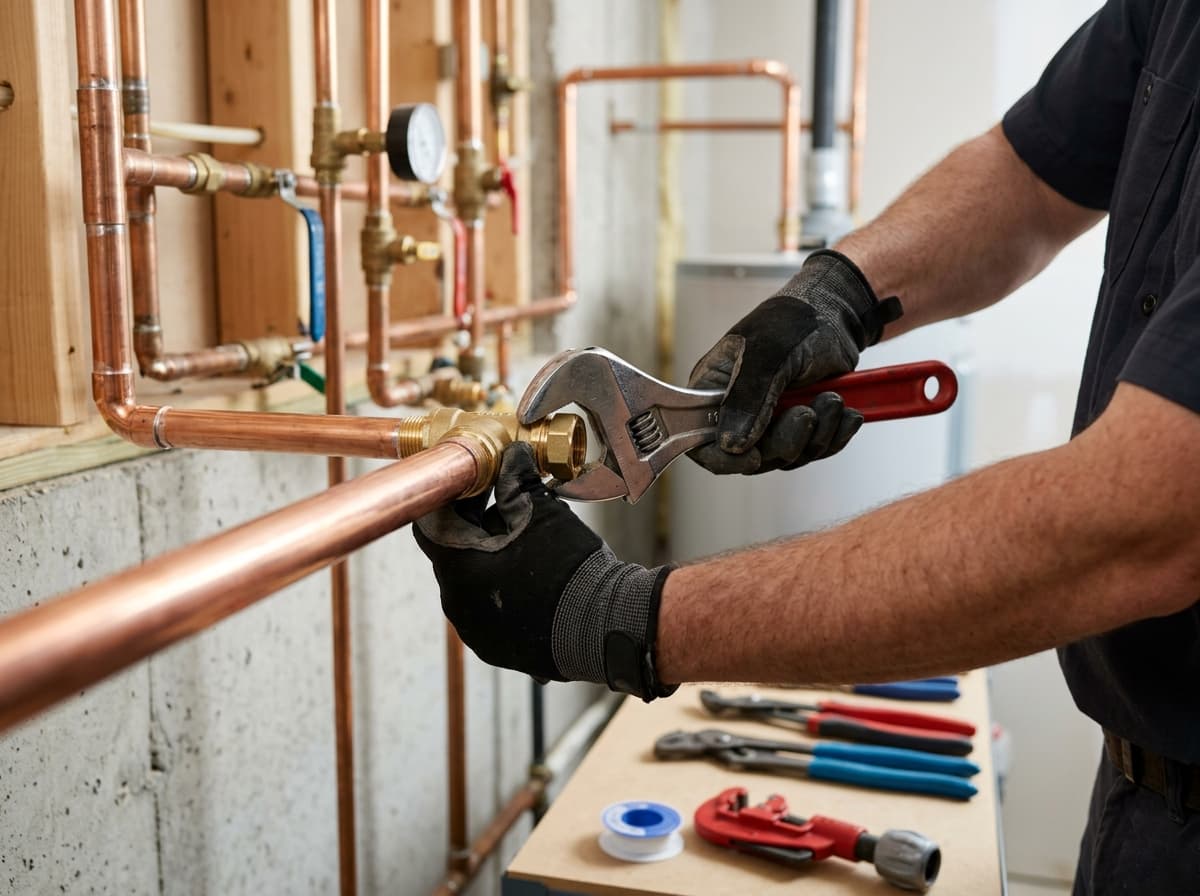
Plumbing materials don't last forever. If your home was built decades ago using galvanized steel, polybutylene, or early generations of thin-walled copper, your system is living on borrowed time. Galvanized pipes rust from the inside out, restricting water flow to a trickle and delivering brown, foul-tasting water. When you start fixing pinhole leaks every few months, patching the system is no longer cost-effective; it's time for a clean slate.
A whole-house repipe is a major project, but it instantly modernizes your home's infrastructure. Our specialized repiping crews map out the most efficient routes to run new, flexible PEX tubing through your walls, attics, or crawlspaces with minimal drywall removal. Once complete, you will experience robust water pressure, clean water, and the peace of mind that comes knowing you are safe from sudden catastrophic pipe bursts.
Signs You Need Whole-House Repiping
- Frequent, recurring leaks requiring constant visits from a plumber.
- Brown, yellow, or rust-colored water when you first turn on the tap.
- Severe drops in water pressure, especially when running two fixtures at once.
- Your home has galvanized steel or known defective polybutylene piping.
- Exposed pipes in the basement or crawlspace show heavy scaling, rust, or green corrosion.
Our Process
System Mapping
We design a new layout for the pipes, often bypassing the old lines entirely and leaving them abandoned in the walls.
Strategic Access
Small, neat cuts are made in the drywall to access fixture connection points.
Running New Lines
New PEX or copper lines are routed from the water heater and main supply to every fixture in the home.
Testing and Patching
The new system is pressure-tested. Once passed, we coordinate the drywall patching and texture matching.
What Affects the Cost
- The size of the home and the number of plumbing fixtures (bathrooms, kitchens, laundry).
- The material chosen (PEX is significantly faster to install and less expensive than rigid copper).
- The accessibility of the home's structure (open basements and crawlspaces make routing much easier than slab foundations).
- The extent of drywall removal and patching required.
✓ Safe to DIY
- Clearing out the cabinets under every sink in the house before the crew arrives.
- Securing pets and clearing pathways to minimize disruption during the project.
✕ Stop & Call Us
- Attempting to repipe a section of the house yourself without a permit; poor routing or unapproved fittings will fail building inspections and cause major leaks.
Frequently Asked Questions
How long does a whole-house repipe take?
For a standard-sized home, the actual plumbing work usually takes 2 to 4 days. You will typically only be without water during the daytime working hours, as the crew will restore temporary service each evening.
Is PEX better than copper for repiping?
PEX is the industry standard for repiping. It is highly flexible (meaning fewer joints and less drywall removal), resistant to scale buildup, immune to corrosion, and expands slightly to resist bursting if frozen.
Do I have to move out during a repipe?
No. While the process is noisy and disruptive during the day, the crew will clean up the work areas and ensure you have at least one working bathroom and running water every night.
Related Services
Request Service
Step 1 of 3- Upfront pricing — no surprise charges
- Licensed, background-checked plumbers
- Cleanup included on every job
Need a Plumber Fast?
From leaky faucets to emergency drain clearing, our experts are ready to help. Fast, reliable service across Charlotte and York County.