sewer
Expert Sewer Line Repair
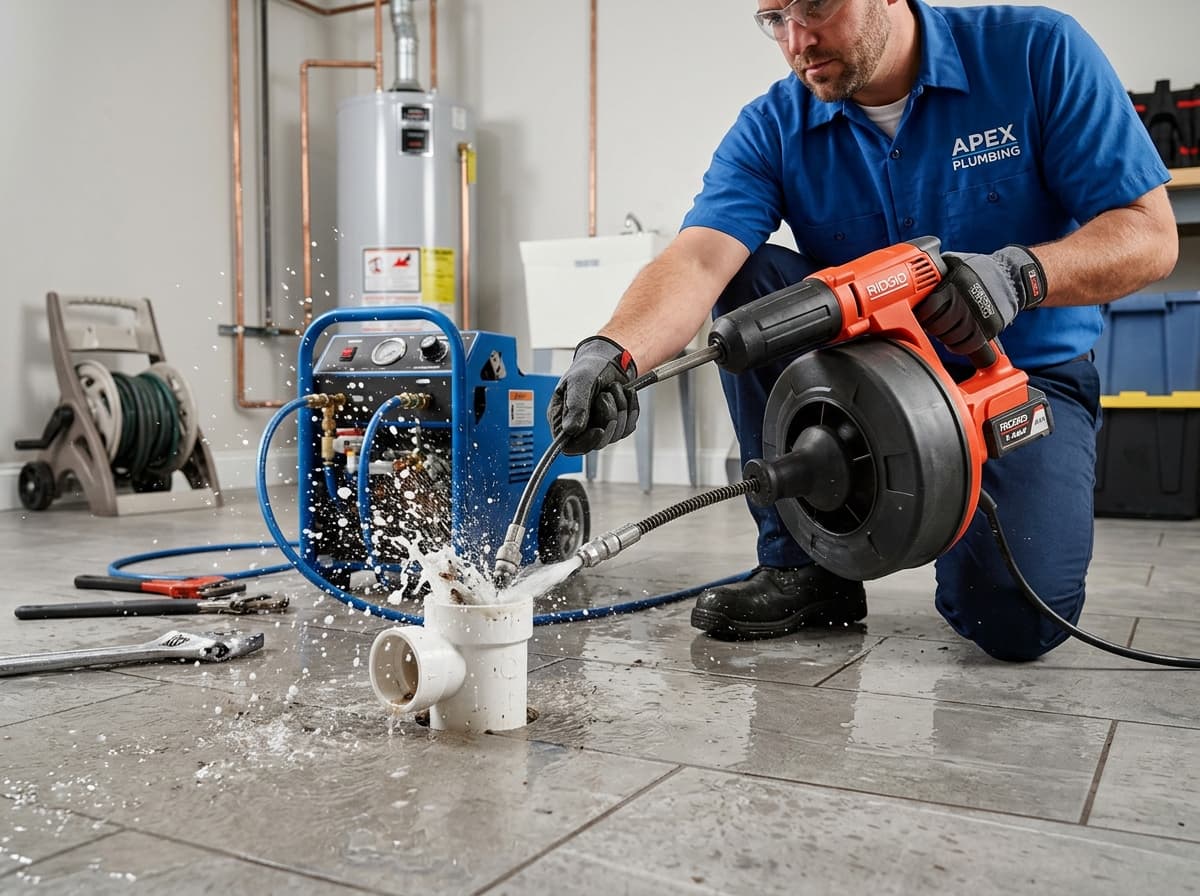
The main sewer line is the critical exit route for all wastewater in your home. When it becomes compromised by tree root intrusion, shifting soil, age-related deterioration, or severe blockages, the result is often a messy and hazardous backup. Because these lines run underground, issues can develop unnoticed for years until a major failure occurs, making prompt and accurate repair essential.
Modern sewer line repair doesn't always mean tearing up your entire yard. Depending on the extent of the damage, options range from targeted point repairs and pipe lining (cured-in-place pipe) to traditional open-trench repairs for collapsed sections. A proper fix addresses the root cause—such as sealing joints against future root growth—ensuring long-lasting reliable drainage.
Signs You Need Sewer Line Repair
- Sewage backups occurring in multiple low-lying drains, like floor drains or tubs.
- Unusually lush, green patches of grass in your yard where a leak is fertilizing the soil.
- Persistent foul odors of sewage in your basement or yard.
- Slow draining across the entire house that does not improve after standard snaking.
- Sinkholes or indentations developing in the lawn above the sewer line path.
Our Process
Camera Inspection
A fiber-optic camera is fed into the line to pinpoint the exact location and nature of the damage.
Line Locating
Using specialized equipment, the plumber marks the exact path and depth of the damaged pipe above ground.
Excavation or Trenchless Prep
The affected area is exposed via targeted digging, or access pits are created for trenchless lining.
Repair and Testing
The damaged section is replaced or lined with epoxy. The system is then flow-tested to ensure perfect operation before backfilling.
What Affects the Cost
- The depth of the sewer line (deeper lines require more excavation and shoring).
- The length of the pipe that needs to be repaired.
- The repair method used (trenchless lining vs. open excavation).
- Obstacles above the pipe, such as driveways, large trees, or patios.
- Permit fees and municipal requirements for right-of-way repairs.
✓ Safe to DIY
- Knowing the location of your main sewer cleanout for quick access in an emergency.
- Stopping all water usage immediately if a mainline backup is suspected.
✕ Stop & Call Us
- Attempting to dig up and repair the sewer line yourself; this requires heavy machinery, proper slope grading, and permits.
- Pouring extreme amounts of root-killing chemicals, which can destroy the remaining pipe structure and harm the environment.
Frequently Asked Questions
What causes a sewer line to break?
The most common causes are tree root intrusion breaking through joints, the natural settling and shifting of the ground causing the pipe to belly or crack, and the deterioration of older materials like clay or cast iron.
How do you fix a sewer line without digging up the whole yard?
Trenchless repair methods, such as pipe lining or pipe bursting, require only small access holes. A flexible, epoxy-saturated liner is pulled through the old pipe and cured in place, creating a new, seamless pipe inside the old one.
Is a sewer backup dangerous?
Yes, raw sewage contains harmful bacteria, viruses, and gases. If your sewer backs up into your home, it poses a significant health hazard and requires professional remediation along with the plumbing repair.
Related Services
Request Service
Step 1 of 3- Upfront pricing — no surprise charges
- Licensed, background-checked plumbers
- Cleanup included on every job
Need a Plumber Fast?
From leaky faucets to emergency drain clearing, our experts are ready to help. Fast, reliable service across Charlotte and York County.