leak detection
Professional Pipe Repair Services
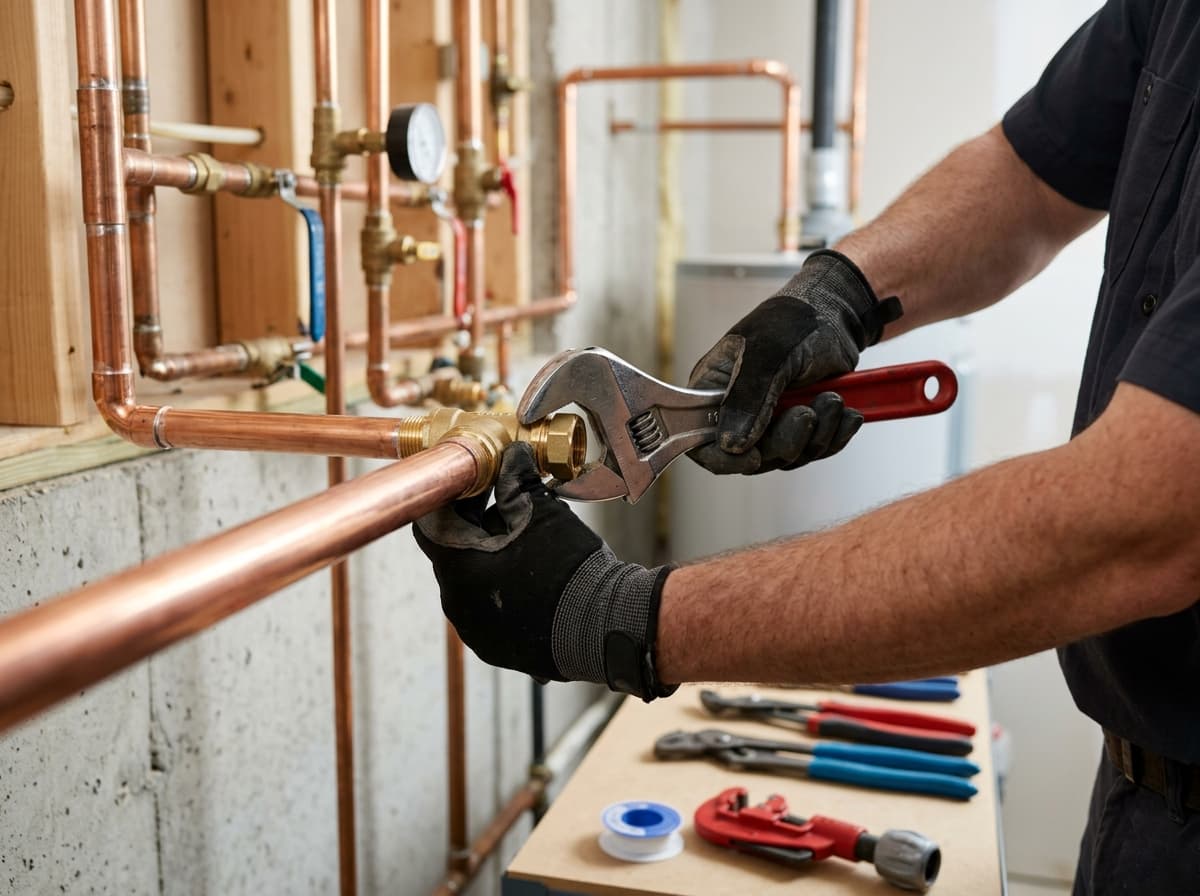
The plumbing network inside your walls and ceilings operates under constant pressure. When a pipe develops a pinhole leak, a joint fails, or a sudden freeze causes a burst, the resulting water damage can be immediate and devastating. From slowly dripping drain lines under a sink to high-pressure blowouts in the main supply, prompt and professional pipe repair is the only way to protect your home's drywall, flooring, and electrical systems.
Repairing a pipe correctly means matching the right materials and techniques to your existing system. Slapping on a temporary rubber patch or using chemical sealants is a recipe for disaster. A professional repair involves cutting out the compromised section entirely and soldering new copper fittings, crimping new PEX, or properly cementing new PVC. This ensures the repaired section is just as strong, if not stronger, than the rest of the plumbing system.
Signs You Need Pipe Repair
- Visible water stains, bubbling paint, or peeling drywall on ceilings and walls.
- A persistent musty odor indicating hidden mold growth from a slow leak.
- A noticeable drop in water pressure when using a specific fixture.
- Puddles forming under sinks or in the basement near exposed plumbing.
- Flaking rust or heavy green corrosion (patina) visible on exposed copper or galvanized pipes.
Our Process
Damage Assessment
The exact location and cause of the leak (corrosion, high pressure, freezing) are identified.
Water Shutoff
The water supply to the affected zone or the entire house is shut off and the lines are drained.
Section Replacement
The damaged pipe is cut out, and a new segment is securely grafted in using trade-standard fittings.
Pressure Testing
The water is turned back on and the new joints are inspected under full street pressure to guarantee a perfect seal.
What Affects the Cost
- The accessibility of the pipe (exposed basement pipes are cheaper to fix than pipes buried behind tiled shower walls).
- The material of the existing plumbing (older galvanized pipes are difficult to thread and tie into).
- The size and function of the pipe (a 1-inch main supply line vs. a 1/2-inch fixture branch line).
- Emergency after-hours fees if the burst occurs at night.
✓ Safe to DIY
- Knowing exactly where your main water shutoff valve is and turning it off immediately in the event of a burst pipe.
- Wrapping exposed pipes in unheated areas with foam insulation to prevent winter freezing.
✕ Stop & Call Us
- Using "sharkbite" push-to-connect fittings in enclosed walls; while easy for DIY, they rely on a single rubber O-ring that can eventually fail.
- Using flex-tape or epoxy putty on a pressurized water line as a permanent fix.
Frequently Asked Questions
How do you fix a pinhole leak in a copper pipe?
A pinhole leak is usually caused by acidic water eroding the copper from the inside out. The only proper fix is to cut out the affected section of pipe and solder in a new piece of copper or transition to PEX.
Why do pipes burst in the winter?
When water freezes, it expands with tremendous force. This expansion increases the water pressure trapped between the ice blockage and a closed faucet until the pipe physically bursts open.
Is PEX better than copper?
PEX (cross-linked polyethylene) is highly flexible, won't corrode, and is slightly resistant to bursting from freezing. It is currently the industry standard for new piping, though copper remains an excellent, long-lasting material.
Related Services
Request Service
Step 1 of 3- Upfront pricing — no surprise charges
- Licensed, background-checked plumbers
- Cleanup included on every job
Need a Plumber Fast?
From leaky faucets to emergency drain clearing, our experts are ready to help. Fast, reliable service across Charlotte and York County.