leak detection
Slab Leak Repair Services
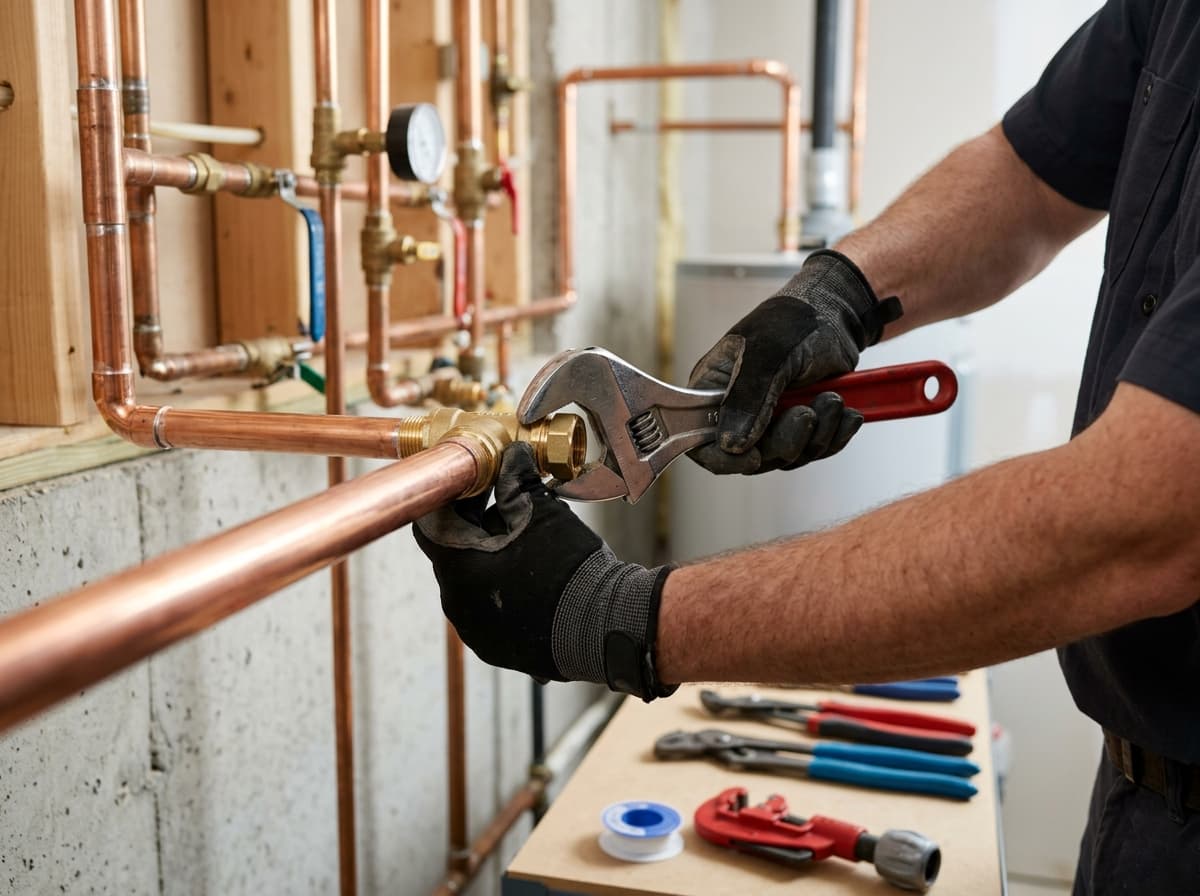
A slab leak is one of the most serious plumbing issues a home can face. It occurs when the copper or PEX water lines buried beneath your concrete foundation degrade, shift, or burst. Left unchecked, the continuous flow of water washes away the soil supporting your foundation, leading to severe structural cracking, massive mold growth under flooring, and catastrophic water damage. Because the pipes are encased in concrete, identifying and accessing the problem requires specialized expertise.
Fixing a slab leak requires careful planning to minimize disruption to your home. Depending on the condition of your plumbing network, breaking through the concrete to fix a single hole might just be a temporary patch on a failing system. Often, the best long-term solution is a pipe reroute, where the leaking under-floor line is capped off and a brand-new water line is run through the walls or ceiling, completely removing the risk of future foundation leaks.
Signs You Need Slab Leak Repair
- Unexplained warm spots on tile or hardwood floors (indicating a hot water line leak).
- The constant sound of running water even when the main house valve is shut off.
- Sudden cracking in walls, baseboards, or floor tiles due to foundation shifting.
- Water seeping up through the foundation, dampening carpets or causing floors to buckle.
- A massive, unexplained spike in your water bill.
Our Process
Precision Location
Using acoustic and thermal technology, the exact location of the break is mapped out.
Solution Strategy
The plumber consults with you to decide between direct access (jackhammering), epoxy lining, or a full reroute.
Execution
If rerouting, new lines are run cleanly through the attic or walls. If repairing directly, a neat square of concrete is removed to fix the copper.
Restoration Prep
Lines are pressure tested, and concrete is re-poured and leveled, ready for your flooring contractor.
What Affects the Cost
- The method of repair (rerouting often costs more upfront but is safer long-term than repeatedly jackhammering floors).
- The length of pipe that needs to be bypassed or replaced.
- The type of flooring that must be removed or repaired (hardwood, custom tile, carpet).
- Whether multiple lines have degraded and require a whole-house repipe instead of a spot fix.
✓ Safe to DIY
- Shutting off the main water valve to the house immediately to stop the flow of water and prevent foundation washout.
✕ Stop & Call Us
- Attempting to break through the concrete slab yourself; you risk severing electrical conduits or destroying adjacent plumbing lines.
Frequently Asked Questions
Why do pipes leak under the concrete slab?
Common causes include poor installation resulting in kinked pipes, friction from pipes rubbing against concrete as they expand with hot water, and soil shifting. In older homes, the copper naturally corrodes over time.
Is it better to fix the leak or reroute the pipe?
If your home is older and the copper is thinning everywhere, repairing one spot is usually followed by another leak a few months later. Bypassing the underground line entirely via a reroute is the most permanent and reliable solution.
Will a slab leak cause my foundation to collapse?
While a total collapse is rare, the escaping water can severely erode the soil beneath the slab, causing the concrete to crack and the house to settle unevenly, leading to massive structural damage.
Related Services
Request Service
Step 1 of 3- Upfront pricing — no surprise charges
- Licensed, background-checked plumbers
- Cleanup included on every job
Need a Plumber Fast?
From leaky faucets to emergency drain clearing, our experts are ready to help. Fast, reliable service across Charlotte and York County.