fixtures
Bathroom Plumbing — Repairs, Fixtures & Remodel Rough-In
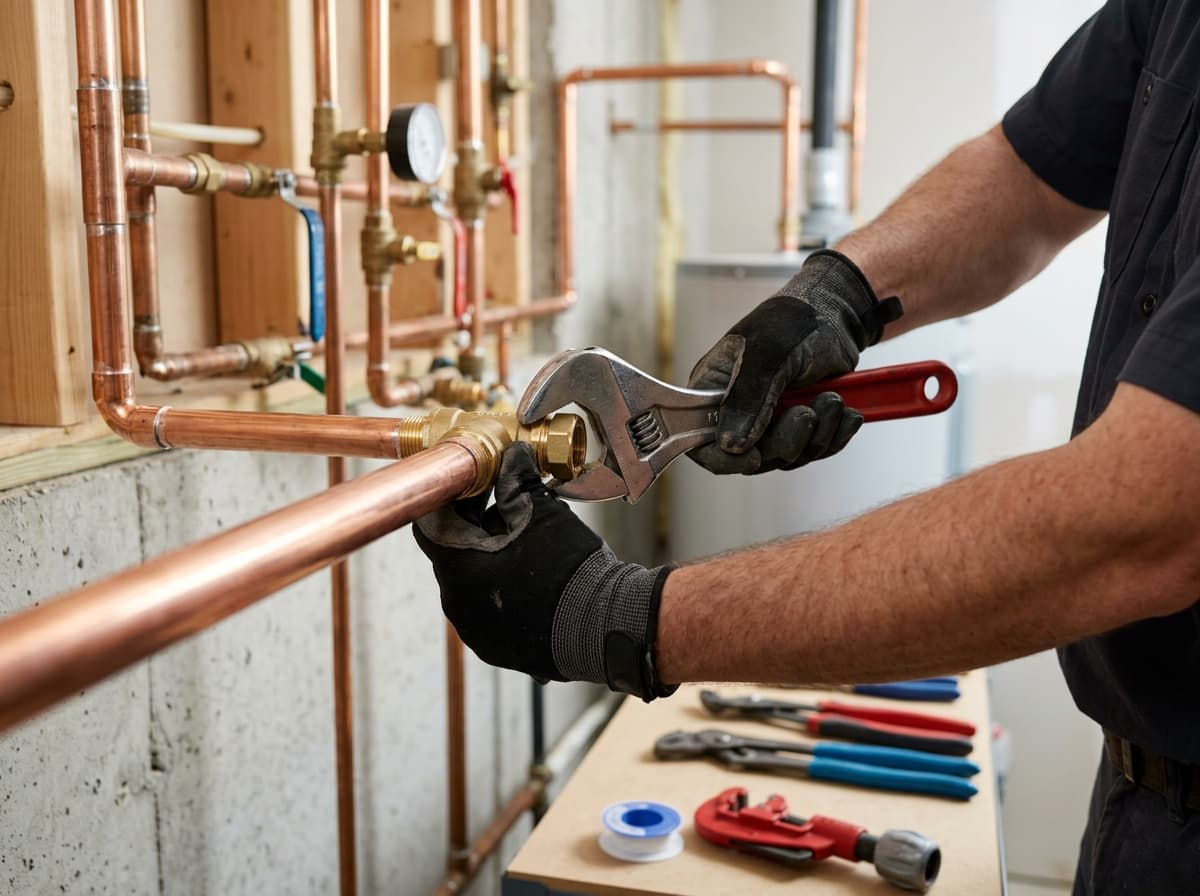
The bathroom is the hardest-working room in your plumbing system. Toilets, showers, tubs, sinks, and faucets all share supply and drain lines in a small space — so when something goes wrong, it often affects more than one fixture. And when you remodel, getting the rough-in plumbing right is what separates a bathroom that works beautifully from one that leaks behind the walls.
Bathroom plumbing covers repairs (leaking or running toilets, dripping faucets, slow drains, shower valve problems), fixture installation (new toilets, sinks, faucets, showerheads, tubs, and bidets), remodel rough-in (moving or adding supply and drain lines, installing shower valves and tub fillers, and setting drain locations), and drain and vent work (clearing slow drains, fixing venting problems that cause gurgling or odors, and replacing corroded drain lines). All work should meet local plumbing code, and remodels that move or add plumbing typically require a permit.
Signs You Need Bathroom Plumbing
- A toilet that runs, leaks at the base, or rocks when you sit on it.
- A shower with weak pressure or water that will not get hot — often a failing mixing valve.
- Drains that are slow or gurgling, which can signal a vent or main drain issue.
- Water stains on the ceiling below the bathroom — a leak from a tub, shower, or toilet drain.
- Musty odors that suggest a hidden leak or a failed wax ring.
Our Process
On-Site Assessment
For repairs, the plumber inspects the fixture and lines to find the cause. For remodels, the plumber reviews your plans and the existing plumbing layout.
Upfront Quote
You get a clear price and timeline before work begins, including permit requirements if applicable.
Repair or Rough-In
The plumber completes the repair, installs the fixture, or runs new supply and drain lines for the remodel.
Testing and Inspection
Every connection is tested for leaks, and remodel work is left ready for the required code inspection.
What Affects the Cost
- Common bathroom repairs — a toilet repair, faucet replacement, or drain clearing — typically run $150–$500 per job.
- Installing a new toilet generally costs $300–$600 including the fixture; a new shower valve runs $300–$800.
- A full bathroom remodel rough-in (new supply and drain lines, shower and tub valves, toilet and sink rough-ins) typically costs $2,000–$8,000 depending on the scope and the number of fixtures.
- Whether lines must be relocated, the fixture brands chosen, and local permit fees all affect the final price.
- Costs vary by location and job; your plumber provides an exact quote after an on-site diagnosis. Emergency or after-hours service typically carries a surcharge of $50–$150 or 1.5–2x the standard rate.
✓ Safe to DIY
- Replace a worn toilet flapper or a faulty fill valve — both are inexpensive fixes for a running toilet.
- Clean showerheads and faucet aerators regularly to prevent mineral buildup.
- Plunge a slow toilet or drain with the correct plunger (flange plunger for toilets).
✕ Stop & Call Us
- Do not move supply or drain lines for a remodel without a permit and a licensed plumber.
- Do not ignore water stains on the ceiling below a bathroom — a hidden leak causes mold and structural damage fast.
- Do not rely on chemical drain cleaners for a recurring clog; they damage pipes and mask the real problem.
Frequently Asked Questions
Do I need a permit for a bathroom remodel?
If you move, add, or replace plumbing lines, most US cities require a permit and an inspection. Simple fixture swaps (same location, same type) usually do not. Your local plumber can advise on your area's rules.
How long does bathroom rough-in plumbing take?
A standard bathroom rough-in typically takes 2–4 days, depending on the scope and whether lines must be relocated. The plumber coordinates with your contractor's schedule.
Why does my toilet keep running?
The most common cause is a worn flapper or a faulty fill valve — both inexpensive fixes. If the problem persists after those are replaced, the flush valve seat may be damaged.
What causes a sewer smell in the bathroom?
Common causes include a dried-out P-trap in a rarely used drain, a failed wax ring under the toilet, or a venting problem. A plumber can find and fix the source.
Related Services
Request Service
Step 1 of 3- Upfront pricing — no surprise charges
- Licensed, background-checked plumbers
- Cleanup included on every job
Need a Trusted Plumber Fast?
From 24/7 emergency repairs and drain clearing to water heater replacements and leak detection, licensed plumbers across the USA are standing by.