water lines
Water Pressure Repair — Fix Low or High Water Pressure
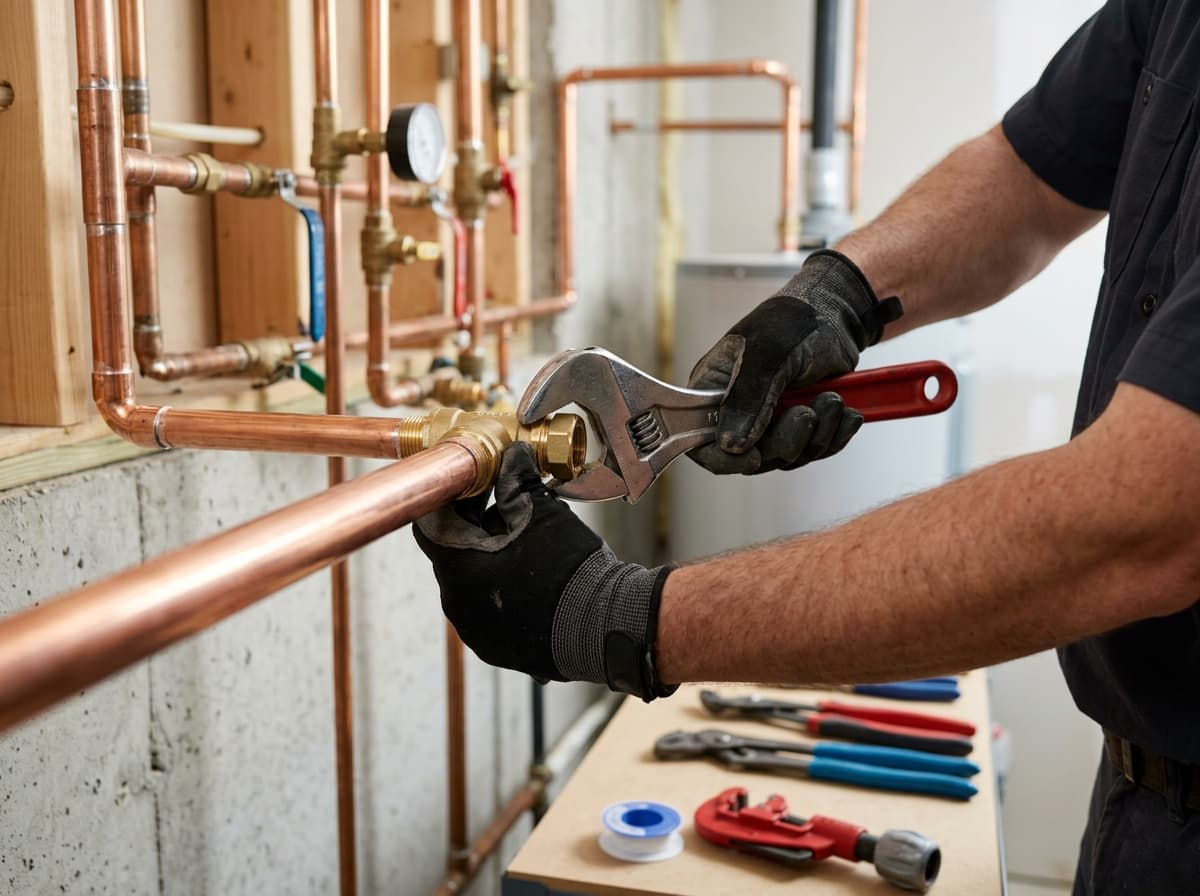
Water pressure problems are frustrating and often a symptom of something bigger. Low pressure makes showers weak and dishwashers ineffective; high pressure can strain pipes, damage appliances, and cause leaks. Normal residential water pressure is typically 40–60 psi. Below 40 psi feels weak; above 80 psi risks damage and violates many local plumbing codes.
Water pressure repair starts with diagnosis: measuring the pressure at your main line and at individual fixtures to find where the problem begins. Common causes of low pressure include a failing pressure-reducing valve (PRV), mineral buildup or corrosion inside old pipes, a partially closed main shutoff valve, a hidden leak, or a municipal supply issue. High pressure is usually caused by a failed PRV or a municipal supply that runs hot. Repairs may involve replacing the PRV, cleaning or replacing clogged aerators and showerheads, fixing a leak, or installing a booster pump if municipal pressure is genuinely low.
Signs You Need Water Pressure Repair
- Weak showers and slow-filling sinks or tubs throughout the house.
- Low pressure at only one fixture — often a clogged aerator, but worth checking.
- Banging pipes (water hammer) when faucets shut off — a classic sign of high pressure.
- Leaking fixtures, running toilets, or burst supply lines, as high pressure strains every connection.
- A sudden drop in pressure, which can indicate a main line leak or a burst pipe.
Our Process
Pressure Testing
The plumber measures pressure at the main line and at fixtures, checks the PRV, and inspects the main shutoff valve.
Diagnosis
The plumber identifies the root cause — PRV failure, corrosion, a leak, or a supply issue — and explains your options.
Repair
Depending on the cause, the plumber replaces the PRV, repairs a leak, clears or replaces clogged sections, or installs a booster pump if municipal pressure is genuinely low.
Verification
Pressure is re-tested to confirm it sits in the safe 40–60 psi range.
What Affects the Cost
- A PRV replacement typically costs $300–$700 including parts and labor.
- Diagnosing and fixing a simple pressure problem, such as cleaning aerators or adjusting a valve, may cost only a typical visit of $182–$501 (avg ~$341).
- Leak-related pressure repairs depend on the leak's location and can range from a few hundred dollars to over $1,000 for a main line repair.
- A booster pump installation for chronically low municipal pressure generally runs $800–$2,000.
- Costs vary by location and job; your plumber provides an exact quote after an on-site diagnosis. Emergency or after-hours service typically carries a surcharge of $50–$150 or 1.5–2x the standard rate.
✓ Safe to DIY
- Check your pressure once a year with an inexpensive pressure gauge that screws onto a hose bibb.
- Clean faucet aerators and showerheads regularly to remove mineral buildup.
- Confirm the main shutoff valve is fully open — a partially closed valve is a common cause of low pressure.
✕ Stop & Call Us
- Do not adjust or replace a pressure-reducing valve yourself; an incorrect setting can damage your plumbing or leave pressure too high.
- Do not ignore banging pipes (water hammer) — it is a warning sign of high pressure that can burst supply lines.
- Do not attempt leak repairs inside walls or under slabs without proper tools and shutoff control.
Frequently Asked Questions
What is normal water pressure for a home?
Most homes should have 40–60 psi. Pressure above 80 psi exceeds most plumbing codes and should be reduced with a PRV.
Why is my water pressure suddenly low?
Common causes include a failing PRV, a hidden leak, a partially closed shutoff valve, or a municipal water main issue. If pressure dropped suddenly across the whole house, check with neighbors and then call a plumber.
Can high water pressure damage my plumbing?
Yes. Sustained high pressure stresses pipes, fittings, water heaters, and appliances, causing leaks, burst supply lines, and premature appliance failure.
How much does it cost to replace a pressure-reducing valve?
PRV replacement typically costs $300–$700 including parts and labor, though costs vary by location and job.
Related Services
Request Service
Step 1 of 3- Upfront pricing — no surprise charges
- Licensed, background-checked plumbers
- Cleanup included on every job
Need a Trusted Plumber Fast?
From 24/7 emergency repairs and drain clearing to water heater replacements and leak detection, licensed plumbers across the USA are standing by.