general plumbing
Basement Waterproofing & Foundation Drainage
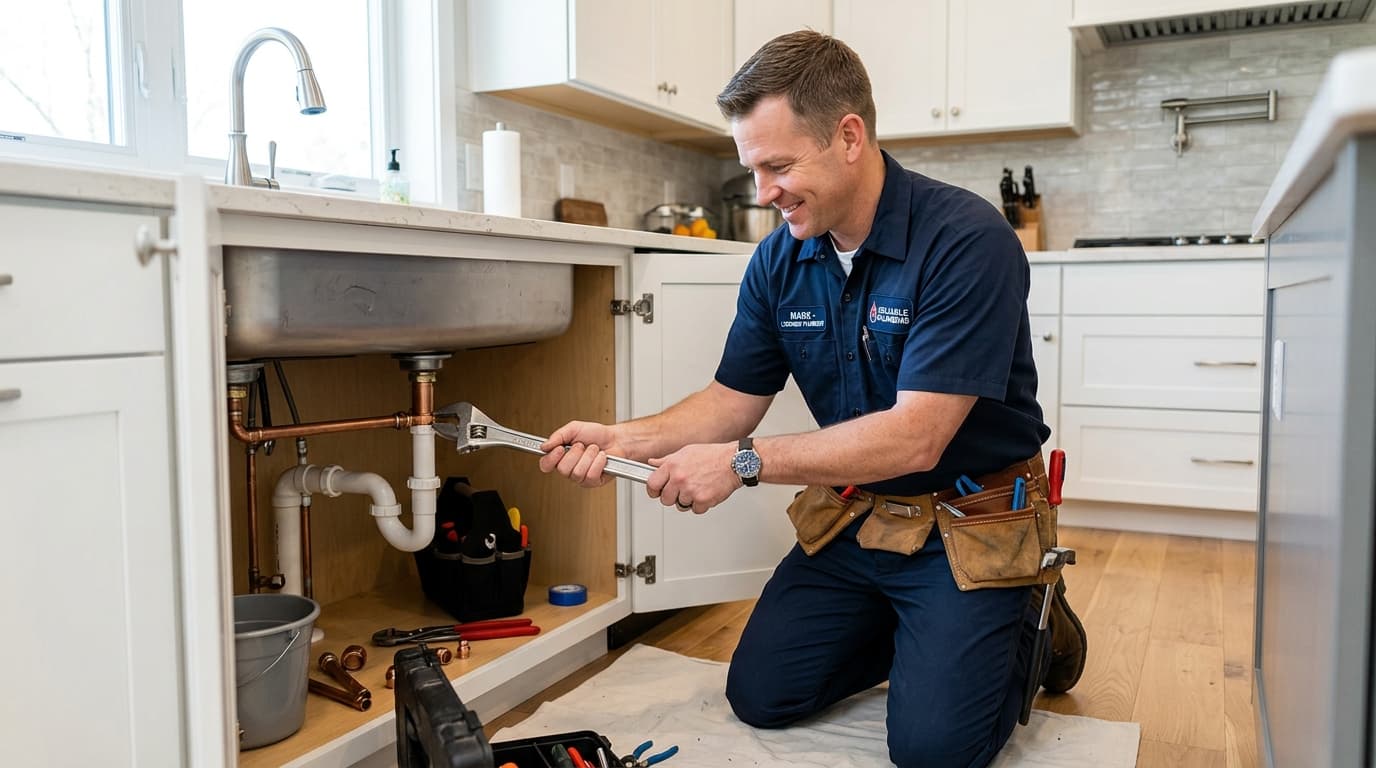
A wet basement is more than an inconvenience — it ruins flooring and stored belongings, grows mold that affects your family's health, and slowly damages your foundation. Water finds the weakest point: a crack in the wall, the joint where wall meets floor, a window well, or a high water table pushing up from below. Waterproofing stops it at the source.
Interior waterproofing manages water that gets in: an interior drain tile system (a perforated pipe in a channel around the inside of the footing) collects water and routes it to a sump pump, which discharges it outside. Exterior waterproofing stops water before it reaches the wall: an excavated foundation wall is sealed with a waterproof membrane or coating and protected by a drainage board, while exterior drain tile carries water away from the footing. Other key elements include sealing foundation cracks, installing or improving window well drains, correcting the grading around the house, and extending downspouts well away from the walls.
Signs You Need Basement Waterproofing
- Water on the basement floor after rain — even a thin layer means water is getting past your foundation.
- Damp walls, efflorescence, or peeling paint — white mineral deposits and bubbling paint mean moisture is moving through the concrete.
- A musty smell or visible mold, caused by persistent dampness feeding mold growth.
- Cracks in foundation walls or floors — water follows cracks, and freezing water widens them.
- Water seeping where the wall meets the floor — this joint is the most common entry point for groundwater.
Our Process
Assessment
The pro inspects the basement, foundation walls, grading, gutters, and downspouts to find every water entry point.
Upfront Quote
You get a clear price for the recommended system — interior drainage, exterior sealing, crack repair, or a combination — before work begins.
Installation
The crew installs the drainage system, seals cracks and walls, corrects grading, and connects the sump pump if one is part of the system.
Testing
The system is tested with water to confirm drainage flows correctly and the sump pump cycles as designed.
What Affects the Cost
- Sealing foundation cracks typically runs $500–$1,500 per crack.
- An interior drain tile system with a sump pump usually costs $5,000–$15,000, depending on the basement size and layout.
- Exterior waterproofing — excavation, membrane, and drainage — generally runs $10,000–$25,000 or more for a full foundation.
- Grading and downspout corrections are the most affordable fixes at $500–$3,000.
- Basement size, whether excavation is needed, the severity of the water problem, the type of soil around the foundation, and local permit requirements all affect the final price. Costs vary by location and job; your plumber provides an exact quote after an on-site diagnosis. Emergency or after-hours service typically carries a surcharge of $50–$150 or 1.5–2x the standard rate.
✓ Safe to DIY
- Keep gutters clean and downspouts extended at least 6 feet from the foundation.
- Grade the soil away from your house so rainwater flows outward, not toward the walls.
- Test your sump pump every 2–3 months and install a battery backup for power outages.
- Run a dehumidifier in damp basements to control moisture and mold between rains.
✕ Stop & Call Us
- Do not excavate around your foundation yourself — digging near footings and buried utilities is dangerous and can damage the structure.
- Do not seal a crack from the inside only and assume the problem is fixed; water can still enter from outside.
- Do not ignore standing water or mold — both signal a problem that needs professional diagnosis.
Frequently Asked Questions
What's the difference between interior and exterior waterproofing?
Exterior waterproofing stops water before it reaches the foundation wall, using membranes and drainage outside. Interior waterproofing manages water that gets in, collecting it in a drain tile system and pumping it out. Many homes need a combination of both.
Is a sump pump part of waterproofing?
Yes, often. The sump pump removes water collected by the interior drainage system. But a sump pump alone doesn't waterproof a basement — it needs the drainage system, sealing, and grading around it to work as a complete system.
Can basement waterproofing be done in winter?
Interior work can be done year-round. Exterior excavation is harder in frozen ground and is usually scheduled in warmer months, but emergency crack sealing can be done any time.
How long does basement waterproofing last?
A properly installed interior drainage system lasts decades. Exterior membranes typically last 10–30 years depending on the product and soil conditions. Crack repairs should be inspected annually.
Related Services
Request Service
Step 1 of 3- Upfront pricing — no surprise charges
- Licensed, background-checked plumbers
- Cleanup included on every job
Need a Trusted Plumber Fast?
From 24/7 emergency repairs and drain clearing to water heater replacements and leak detection, licensed plumbers across the USA are standing by.