water heaters
Reliable Water Heater Repair Services
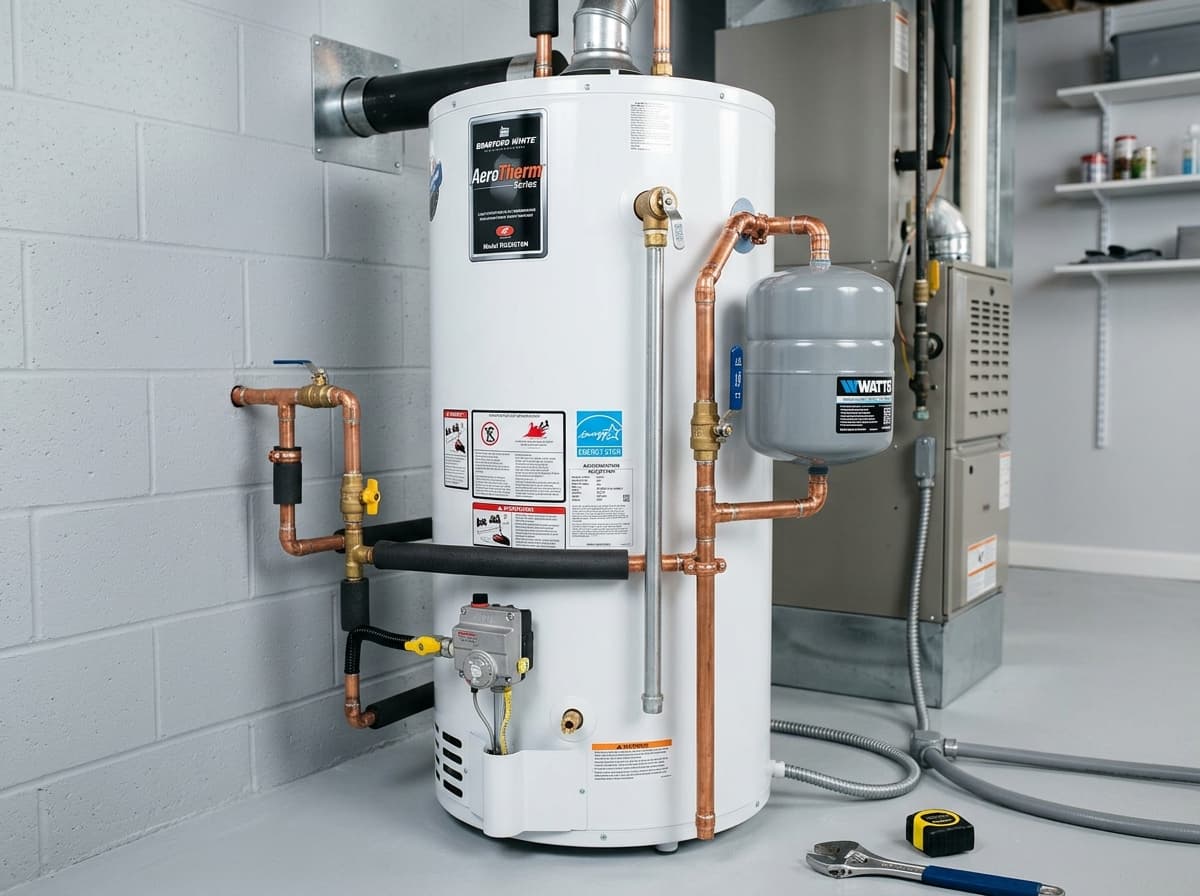
Waking up to an icy shower is a harsh reminder of how much we rely on our water heaters. These hardworking appliances operate quietly in the background, but over time, components wear out, sediment builds up, and efficiency drops. Whether you have a standard electric tank, a gas-fired model, or a modern tankless unit, prompt repair is crucial to prevent further damage or potential leaks.
Many common water heater issues can be fixed without needing a full replacement. A failing heating element, a burnt-out thermostat, or a dirty flame sensor are all straightforward repairs for an experienced professional. By addressing odd noises, fluctuating temperatures, or minor leaks early, you can significantly extend the lifespan of your unit and improve your energy efficiency.
Signs You Need Water Heater Repair
- Completely running out of hot water or water taking much longer to heat up.
- Popping, rumbling, or banging noises coming from inside the tank.
- Water that looks rusty, muddy, or smells like sulfur (rotten eggs).
- Small puddles of water pooling around the base of the heater.
- The pilot light on a gas water heater repeatedly goes out.
Our Process
Diagnostic Testing
Testing electrical continuity, gas pressure, and thermostat function to isolate the faulty component.
System Drain (If Necessary)
If the repair involves replacing an element or flushing sediment, the tank is safely drained.
Component Replacement
The broken part—such as a thermocouple, element, or relief valve—is swapped for a high-quality replacement.
Reheating and Calibration
The unit is turned back on, checked for leaks, and the thermostat is set to a safe, efficient temperature (usually 120°F).
What Affects the Cost
- The type of water heater (gas, electric, or tankless).
- The specific part that has failed (a thermocouple is inexpensive; a gas control valve costs more).
- The age of the unit, which can make sourcing specific parts more difficult.
- Whether heavy sediment buildup requires extensive flushing and cleaning.
✓ Safe to DIY
- Checking the circuit breaker to ensure an electric heater hasn't simply tripped.
- Adjusting the temperature dial slightly to see if the thermostat responds.
- Relighting the pilot light on a gas heater following the manufacturer's instructions.
✕ Stop & Call Us
- Opening electrical panels on the water heater while the power is live (240V is extremely dangerous).
- Tampering with gas lines or the gas control valve, which risks a dangerous gas leak.
- Plugging a leaking Temperature and Pressure (T&P) relief valve, which can cause the tank to explode.
Frequently Asked Questions
Why is my water heater making a popping sound?
The popping or rumbling sound is caused by water trapped under a layer of mineral sediment at the bottom of the tank. As the water heats and turns to steam, it bursts through the sediment layer. The tank needs to be flushed.
Is it worth repairing an older water heater?
If your tank water heater is over 10-12 years old and begins requiring major repairs or is leaking from the tank itself, it is usually more cost-effective to replace it. Minor part failures on newer units are absolutely worth repairing.
Why does my hot water run out so quickly?
In an electric heater, this often means the lower heating element has failed. In a gas heater, it could be a broken dip tube that is allowing cold incoming water to mix directly with the hot water at the top of the tank.
Request Service
Step 1 of 3- Upfront pricing — no surprise charges
- Licensed, background-checked plumbers
- Cleanup included on every job
Need a Plumber Fast?
From leaky faucets to emergency drain clearing, our experts are ready to help. Fast, reliable service across Charlotte and York County.