water heaters
Expert Water Heater Installation & Replacement
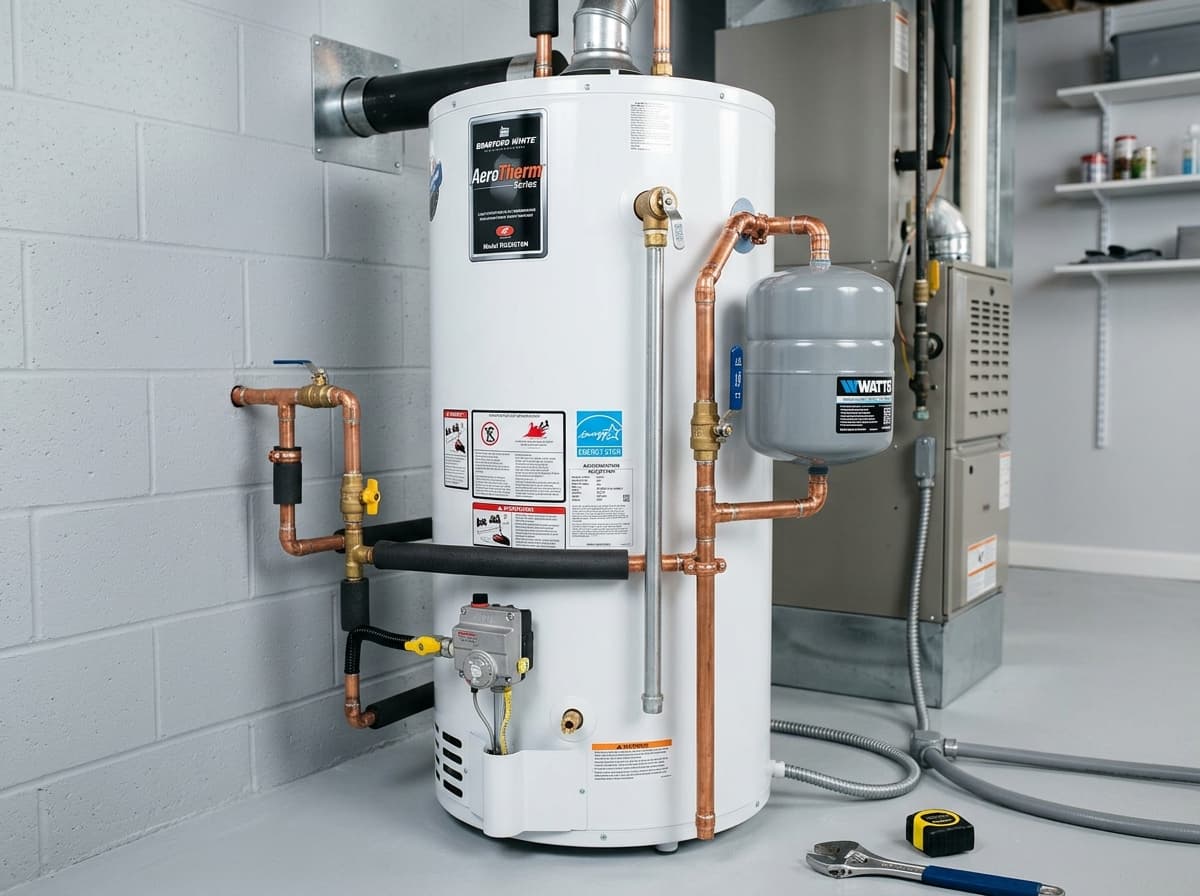
When a water heater begins leaking from the tank itself, or becomes too old and inefficient to warrant repair, it's time for a replacement. A new water heater is a major investment in your home's comfort. Choosing the right unit—whether it's a standard electric tank, a high-recovery gas model, or a heat pump hybrid—requires matching the unit's capacity to your family's daily hot water demands.
Proper installation is just as important as the quality of the heater itself. A poor installation can lead to severe water damage, carbon monoxide leaks, or premature appliance failure. Professional installation guarantees that the unit is perfectly leveled, the gas lines are pressure-tested, the venting drafts correctly, and safety features like expansion tanks and drain pans are properly integrated to protect your home.
Signs You Need Water Heater Installation
- The existing water heater is over 10-15 years old and struggling to maintain temperature.
- Water is actively leaking from the structural seams of the metal tank.
- You are remodeling your home or adding a bathroom, requiring higher hot water capacity.
- Your energy bills have spiked, and you want to upgrade to a high-efficiency model.
- The tank is heavily corroded or shows deep external rust spots.
Our Process
Sizing and Selection
We evaluate your household's peak hot water usage to recommend the perfect tank size and recovery rate.
Safe Removal
The old unit is drained, disconnected from power/gas, and hauled away for proper recycling.
Installation and Upgrades
The new unit is set in place. Code-required upgrades like expansion tanks, new shutoff valves, or proper venting are installed.
Testing and Tuning
The system is filled, fired up, and tested for leaks, proper draft, and safe temperature output.
What Affects the Cost
- The size (gallon capacity) and fuel type (gas vs. electric) of the new unit.
- The energy efficiency rating (hybrid heat pump heaters cost more upfront but save money long-term).
- Necessary code upgrades required by the city, such as installing a thermal expansion tank or modifying exhaust vents.
- Accessibility of the installation location (attics or tight crawlspaces require more labor).
✓ Safe to DIY
- Clearing a wide, unobstructed path for the installers to remove the old tank and bring in the new one.
- Researching the energy ratings of different models before making a decision.
✕ Stop & Call Us
- Attempting to install a gas water heater yourself; improper venting can lead to fatal carbon monoxide poisoning.
- Wiring a 240V electric water heater without extensive electrical experience.
Frequently Asked Questions
How long does a water heater last?
A standard tank water heater typically lasts between 8 to 12 years, depending on the water quality in your area and whether the unit received regular maintenance like flushing.
What is a thermal expansion tank and do I need one?
An expansion tank absorbs the excess pressure created when water is heated and expands. Most modern municipal building codes now require them to prevent excess stress on your plumbing system.
Should I switch from electric to gas?
Gas water heaters generally have a faster recovery rate and cost less to operate. However, switching requires installing a new gas line and proper roof venting, which adds to the initial installation cost.
Request Service
Step 1 of 3- Upfront pricing — no surprise charges
- Licensed, background-checked plumbers
- Cleanup included on every job
Need a Plumber Fast?
From leaky faucets to emergency drain clearing, our experts are ready to help. Fast, reliable service across Charlotte and York County.