garbage disposals
Garbage Disposal Repair & Installation
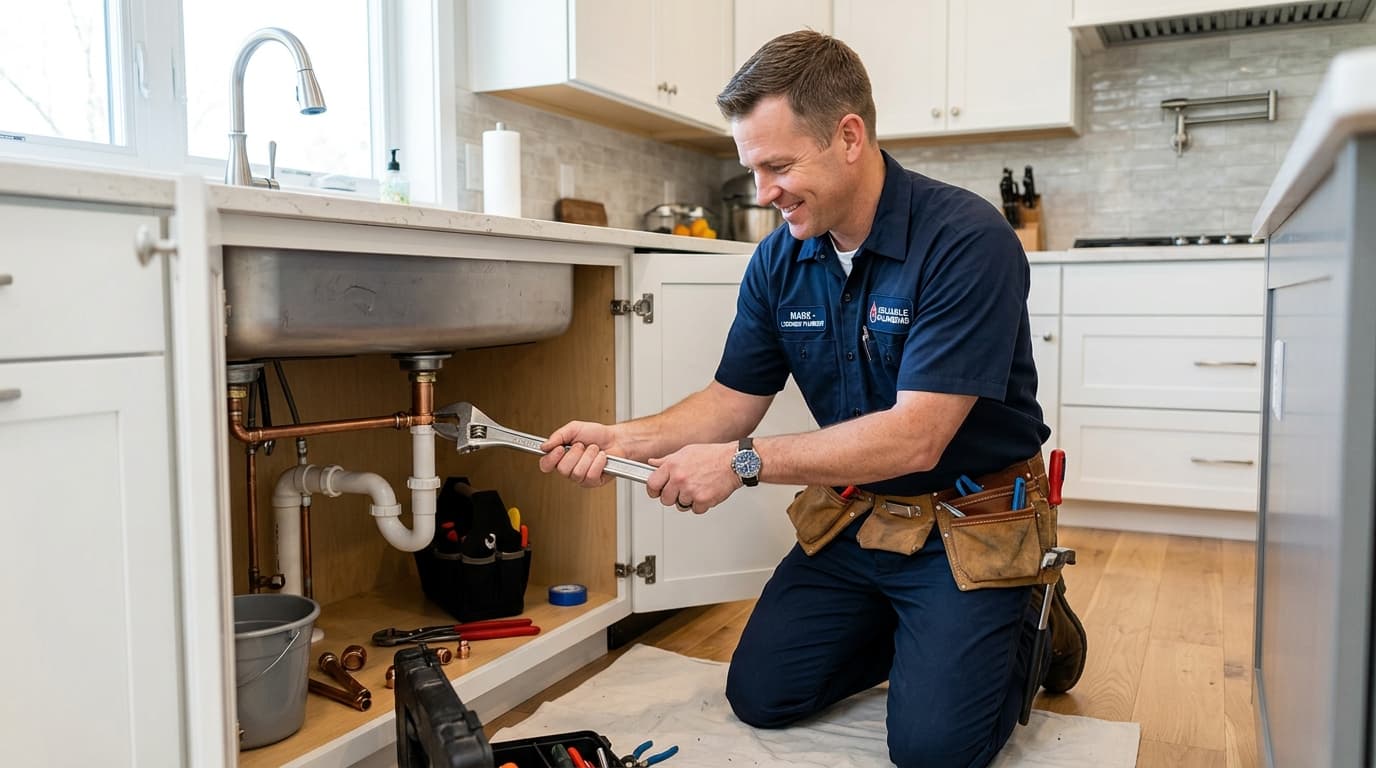
Your garbage disposal is the workhorse of the kitchen sink, designed to shred food waste so it can pass safely through your plumbing. However, disposals are frequently abused. Fibrous foods like celery, starchy items like potato peels, and hard objects like bones or dropped silverware can easily jam the impellers or burn out the motor. When the disposal stops working, the kitchen sink quickly backs up, bringing meal prep and cleanup to a halt.
Many disposal issues, such as a simple jam or a tripped reset switch, can be fixed quickly by a professional. However, if water is leaking from the bottom of the unit (the motor housing), the internal seals have failed and the disposal must be replaced. We install high-quality, continuous-feed disposals ranging from standard 1/3 HP units to heavy-duty 1 HP models with stainless steel grinding components for maximum durability and noise reduction.
Signs You Need Garbage Disposal Repair
- The disposal makes a loud humming noise but the blades do not spin.
- The unit is completely dead and makes no sound when the switch is flipped.
- Water is leaking from the bottom of the disposal unit itself.
- Foul, rotting odors persist despite running the disposal with soap.
- The sink takes forever to drain even when the disposal is running.
Our Process
Electrical and Jam Check
We test the power supply, reset switch, and manually rotate the impellers using an Allen wrench to clear physical jams.
Removal
If the unit is cracked, leaking, or burnt out, we disconnect the plumbing and unmount it from the sink flange.
Installation
A new unit is mounted. We ensure the dishwasher drain knockout plug is removed if a dishwasher is connected.
Testing
Water is run continuously while testing the new disposal to ensure zero leaks at the flange and drain connections.
What Affects the Cost
- Whether the unit can be unjammed or requires total replacement.
- The horsepower and quality of the new unit (1/2 HP is standard; 3/4 HP or 1 HP models are more expensive but handle tough food better and run quieter).
- The condition of the sink flange and the P-trap plumbing connected to the unit.
✓ Safe to DIY
- Pressing the red reset button on the bottom of the disposal if it has overheated and shut off.
- Using an Allen wrench (hex key) inserted into the bottom center hole to manually unjam the blades.
- Grinding ice cubes and lemon peels to clean the blades and freshen the smell.
✕ Stop & Call Us
- Reaching your hand down into the disposal while it is plugged in or the breaker is on.
- Pouring liquid chemical drain cleaners into the disposal; it will corrode the metal and damage the plastic housing.
Frequently Asked Questions
Why is my disposal humming but not spinning?
The humming means the motor is receiving electricity, but the grinding plate is physically jammed by an object (like a bone, fruit pit, or piece of glass). The motor will quickly overheat and trip the breaker if left on.
Can I put coffee grounds in the garbage disposal?
No. While coffee grounds go down easily, they turn into a thick, muddy sludge in your pipes that is a leading cause of kitchen sink clogs. Throw them in the trash or compost.
Why is water leaking out of the bottom of the disposal?
A leak from the bottom center (where the motor is housed) means the internal water seal has ruptured. The unit cannot be repaired and must be replaced immediately before the electrical components short out.
Related Services
Request Service
Step 1 of 3- Upfront pricing — no surprise charges
- Licensed, background-checked plumbers
- Cleanup included on every job
Need a Plumber Fast?
From leaky faucets to emergency drain clearing, our experts are ready to help. Fast, reliable service across Charlotte and York County.