drain cleaning
Slow Drain Repair & Clearing
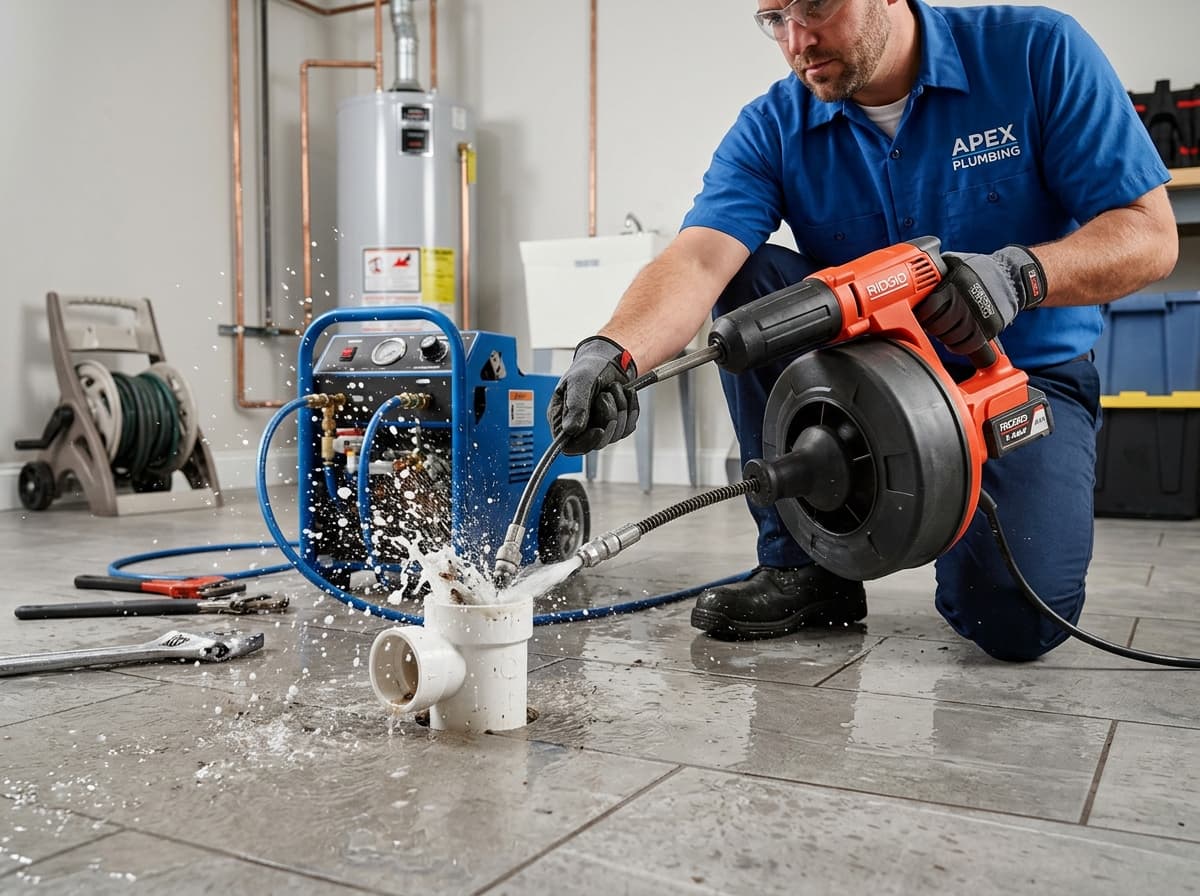
A sink or tub that takes minutes to drain instead of seconds is the first warning sign of an impending plumbing failure. Slow drains occur when debris like hair, soap scum, toothpaste, and grease begin coating the inside of the pipe. This restricts the diameter of the line, slowing down water flow. Because the pipe isn't completely blocked yet, many homeowners ignore the issue, but this sticky residue acts as a magnet for more debris.
Repairing a slow drain requires more than just plunging. Plunging only shifts the partial blockage. A professional will dismantle the p-trap to clear localized clogs or use a mechanical auger to reach deeper into the branch lines. By thoroughly clearing the restriction now, you avoid the much higher cost and inconvenience of a sudden emergency backup.
Signs You Need Slow Drain Repair
- Water pooling around your feet during a short shower.
- Bathroom sinks taking several minutes to empty after brushing teeth.
- Bubbling or gurgling sounds as the last bit of water finally goes down.
- A foul smell coming from the drain due to trapped, decaying organic matter.
- Drainage speed steadily decreasing over weeks or months.
Our Process
Fixture Assessment
Testing the drain speed and checking related fixtures to determine if the issue is localized or part of a larger line restriction.
Trap Cleaning
Removing and manually cleaning the p-trap beneath the sink or tub to remove immediate hair and soap clogs.
Line Cabling
Running a small motorized cable through the branch line to catch and pull out debris further down the pipe.
System Flush
Running high-volume hot water through the cleared pipe to wash away any remaining loosened debris.
What Affects the Cost
- Whether the restriction is in the easily accessible p-trap or deeper in the wall.
- The number of slow drains that need attention.
- The type of fixture (tubs can be harder to access than sinks).
- The condition of old pipes, which might require delicate handling or replacement parts.
✓ Safe to DIY
- Using a zip-it tool (plastic barbed strip) to pull hair out of shower drains.
- Removing the sink pop-up stopper to clean out accumulated gunk.
- Placing a bucket under the p-trap and unscrewing it to clear it manually.
✕ Stop & Call Us
- Pouring heavy chemical cleaners down slow drains; they will sit in the restricted pipe and corrode the metal.
- Forcing large objects down the drain in an attempt to push the clog through.
Frequently Asked Questions
Why is my bathroom sink draining so slowly?
Bathroom sinks are notorious for slow drains due to the combination of hair, sticky toothpaste, and soap scum that catches on the pop-up stopper mechanism and builds up in the trap.
Can I just use boiling water to fix a slow drain?
Boiling water can help melt very minor soap or grease buildup, but it will not dissolve hair or solid objects. Never use boiling water if you have PVC pipes, as the extreme heat can warp or crack them.
Does a slow drain always mean a clog?
Usually yes, but a slow drain can also be caused by a blocked plumbing vent on your roof. If air cannot enter the vent to equalize pressure, the water will drain very sluggishly and gurgle.
Related Services
Request Service
Step 1 of 3- Upfront pricing — no surprise charges
- Licensed, background-checked plumbers
- Cleanup included on every job
Need a Plumber Fast?
From leaky faucets to emergency drain clearing, our experts are ready to help. Fast, reliable service across Charlotte and York County.