
fixtures
Faucet Installation & Replacement
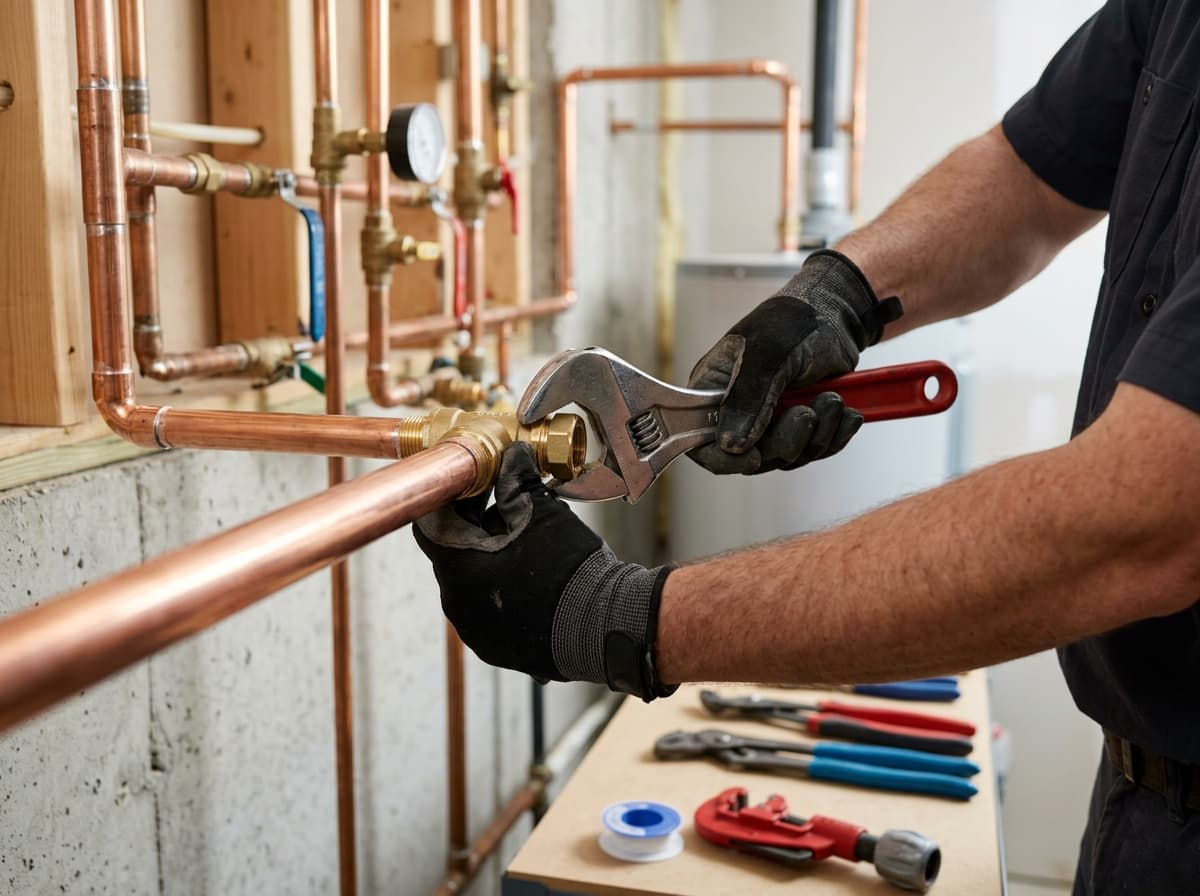
A new faucet is one of the fastest upgrades you can make to a kitchen or bathroom — better water flow, a modern look, and an end to the drip that has been staining your sink. But faucet installation is not just unscrewing the old and screwing in the new: hole spacing, supply-line connections, and mounting hardware all have to match, and a small mistake means a leak inside your cabinet.
The job starts with shutting off the water, disconnecting the old faucet and supply lines, cleaning the mounting surface, and checking the hole configuration — single-hole, three-hole (4-inch centerset or 8-inch widespread), or wall-mounted. The new faucet is then seated with a gasket or plumber's putty, secured from below, connected to new supply lines, and tested for leaks and proper hot/cold flow. Modern faucets offer far more than the basic two-handle models: single-lever and touchless operation, pull-down and pull-out sprayers, pot fillers, water-filtration taps, and finishes from chrome and brushed nickel to matte black and brass.
Signs You Need Faucet Installation
- Constant dripping that a repair doesn't stop — worn valve seats and corroded bodies can't always be fixed.
- Low water pressure at one faucet, caused by mineral buildup or internal corrosion choking flow permanently.
- Visible rust, corrosion, or mineral crust — once the finish and body corrode, leaks follow.
- Handles that are stiff, loose, or hard to turn, caused by worn internal parts.
- You want modern features — touchless operation, a pull-down sprayer, or a filtration tap all start with a new faucet.
Our Process
Assessment
The plumber checks your sink's hole spacing, the shut-off valves, and the supply lines to confirm the new faucet fits.
Upfront Quote
You get a clear price for the installation, including new supply lines if needed, before work begins.
Installation
The old faucet is removed, the mounting surface is cleaned, the new faucet is seated, secured, and connected.
Testing and Cleanup
The plumber runs hot and cold water, checks every connection for leaks, and removes the old faucet and packaging.
What Affects the Cost
- Installing a customer-supplied faucet typically runs $150–$400 in labor.
- A full replacement including a standard new faucet usually costs $250–$700.
- Premium or specialty faucets — touchless, pot fillers, or designer models — can push the total to $800–$1,500 or more.
- Faucet type and finish, whether the hole configuration needs adapting, whether shut-off valves or supply lines must be replaced, and how accessible the mounting area is under the sink all affect the final price.
- Costs vary by location and job; your plumber provides an exact quote after an on-site diagnosis. Emergency or after-hours service typically carries a surcharge of $50–$150 or 1.5–2x the standard rate.
✓ Safe to DIY
- Clean aerators every few months — unscrew the aerator, rinse out sediment, and restore full flow.
- Wipe down the faucet after use in hard-water areas to prevent mineral buildup on the finish.
- Check under the sink monthly for dampness around the supply connections.
- Exercise the shut-off valves once a year so they don't seize when you need them.
✕ Stop & Call Us
- Do not overtighten handles — forcing a dripping handle damages the cartridge faster.
- Do not force a faucet onto a sink with the wrong hole spacing; centerset and widespread faucets are not interchangeable without changing the sink or adding a cover plate.
- Do not reuse old supply lines when installing a new faucet, especially if they are more than 5 years old.
Frequently Asked Questions
Can a plumber install a faucet I bought myself?
Yes. Licensed local plumbers in our network install customer-supplied faucets. Just confirm the hole spacing (single-hole, 4-inch centerset, or 8-inch widespread) matches your sink before buying.
How long does faucet installation take?
A straightforward replacement takes 1–2 hours. If the shut-off valves or supply lines need replacing, or the hole configuration must be adapted, it can take a little longer.
What's the difference between centerset and widespread faucets?
Centerset faucets have the handles and spout on a single base, usually 4 inches apart. Widespread faucets have separate handles and spout, usually 8 inches apart. They are not interchangeable without changing the sink or adding a cover plate.
Should I repair my dripping faucet or replace it?
If the faucet is newer and in good shape, a cartridge or washer repair is usually cheaper. If it's old, corroded, or has already been repaired more than once, replacement is the better value.
Related Services
Request Service
Step 1 of 3- Upfront pricing — no surprise charges
- Licensed, background-checked plumbers
- Cleanup included on every job
Need a Trusted Plumber Fast?
From 24/7 emergency repairs and drain clearing to water heater replacements and leak detection, licensed plumbers across the USA are standing by.