
sewer
Septic Services — Pumping, Repair & Inspection
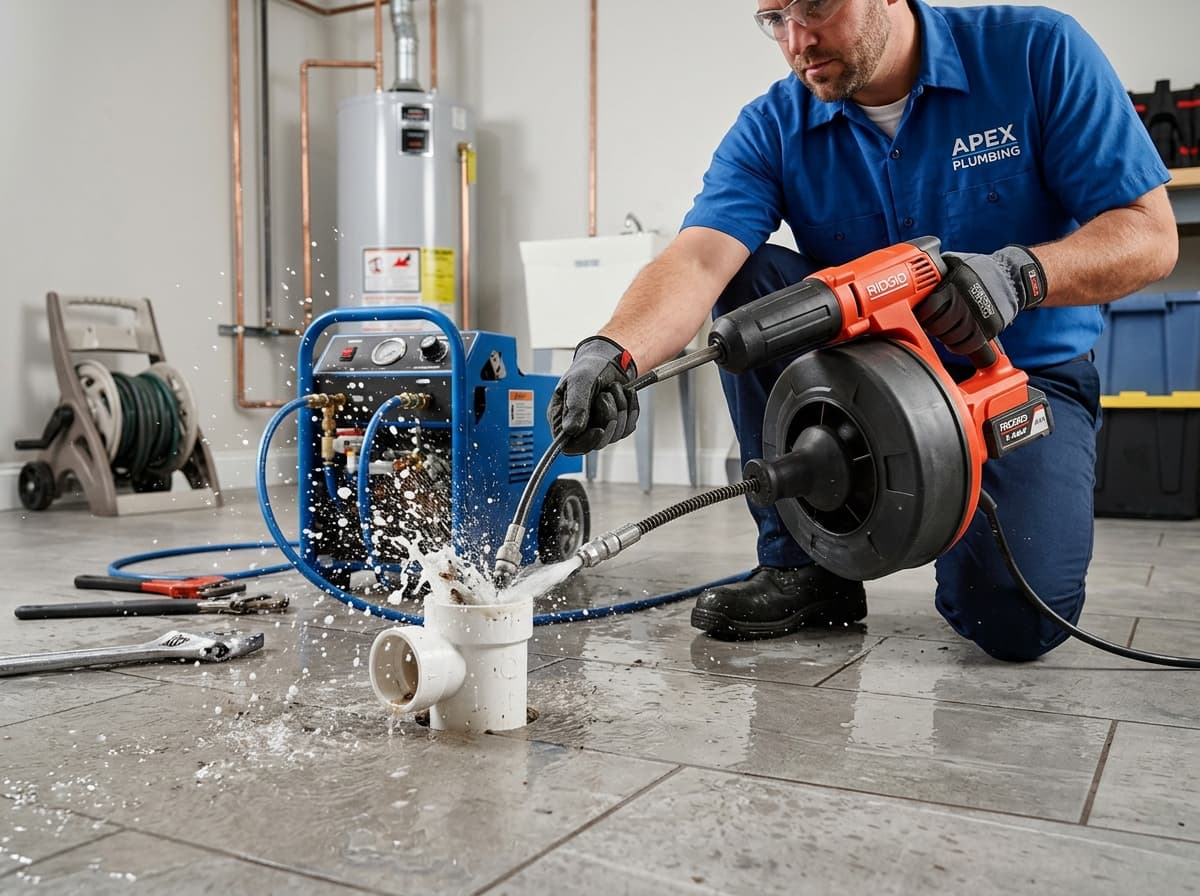
About one in five US homes uses a septic system instead of a municipal sewer. Wastewater flows into a buried tank, where solids settle and grease floats, and the liquid effluent flows out to a drain field where soil bacteria finish treating it. When the system is maintained, it works quietly for decades. When it is neglected, the tank fills, solids reach the drain field, and the field can fail — the most expensive septic problem there is.
Routine pumping every 3–5 years is the single most important maintenance step, and regular inspections catch small problems — a cracked baffle, a leaking tank, a sluggish drain field — before they become emergencies. Septic work also includes repairs to tanks, baffles, pumps, and distribution boxes, and drain field assessment and replacement when a field has reached the end of its life.
Signs You Need Septic Services
- Slow drains or gurgling sounds throughout the house, not just at one fixture.
- Sewage odors inside the home or in the yard near the tank or drain field.
- Standing water, soggy soil, or unusually lush green grass over the drain field.
- Sewage backing up into bathtubs, showers, or floor drains.
- The tank has not been pumped in 3–5 years or you have no record of the last pumping.
Our Process
Locate & Inspect
The technician locates the tank and drain field, checks the site, and reviews the system's history and last pumping date.
Pump the Tank
The tank is pumped out completely, including the sludge layer at the bottom and the scum layer at the top.
Inspect Baffles & Drain Field
Baffles, inlet and outlet tees, and the tank walls are checked for damage, and the drain field is assessed for signs of failure.
Repair & Maintenance Plan
Any worn or broken components are repaired or replaced, and you get a pumping schedule and care plan for your system.
What Affects the Cost
- Septic tank pumping typically costs $300–$600 for a standard residential tank, depending on tank size and access.
- A septic inspection generally runs $300–$500, and is often required before a home sale.
- Repairs to baffles, pumps, distribution boxes, and tank components usually cost $500–$5,000 depending on the part and the damage.
- Drain field replacement is the big-ticket item, typically $5,000–$20,000 depending on size, soil, and local permit requirements.
- Costs vary by location and job; your plumber provides an exact quote after an on-site diagnosis. Emergency or after-hours service typically carries a surcharge of $50–$150 or 1.5–2x the standard rate.
✓ Safe to DIY
- Conserve water and spread laundry loads across the week so the system is not overloaded in a single day.
- Keep accurate pumping and inspection records, and know where your tank and drain field are located.
- Divert roof drains, sump pump discharge, and surface water away from the drain field.
✕ Stop & Call Us
- Never enter a septic tank — the gases inside are toxic and can be fatal. Leave tank work to licensed professionals.
- Do not drive, park, or build over the tank or drain field; the weight compacts the soil and can crush components.
- Never use chemical additives or "septic treatments" as a substitute for pumping — they do not replace regular service.
- Do not flush wipes, grease, hygiene products, or chemicals; they clog the system and kill the bacteria it depends on.
Frequently Asked Questions
How often should a septic tank be pumped?
Most residential tanks should be pumped every 3–5 years, depending on household size and tank capacity. Larger households and smaller tanks need pumping more often.
What should never go down a septic drain?
Never flush wipes (even "flushable" ones), grease, coffee grounds, hygiene products, cat litter, or harsh chemicals. They clog the system, damage the drain field, and kill the bacteria that treat your wastewater.
How long does a septic system last?
A well-maintained septic system typically lasts 20–40 years. Regular pumping, water conservation, and keeping heavy vehicles off the drain field are the keys to a long system life.
What are the signs of drain field failure?
Standing water or soggy soil over the drain field, sewage odors in the yard, slow drains throughout the house, and sewage backing up into fixtures are the classic signs. A failed drain field needs professional assessment right away.
Related Services
Request Service
Step 1 of 3- Upfront pricing — no surprise charges
- Licensed, background-checked plumbers
- Cleanup included on every job
Need a Trusted Plumber Fast?
From 24/7 emergency repairs and drain clearing to water heater replacements and leak detection, licensed plumbers across the USA are standing by.