general plumbing
Laundry Room Plumbing: Hookups, Drains & Utility Sinks
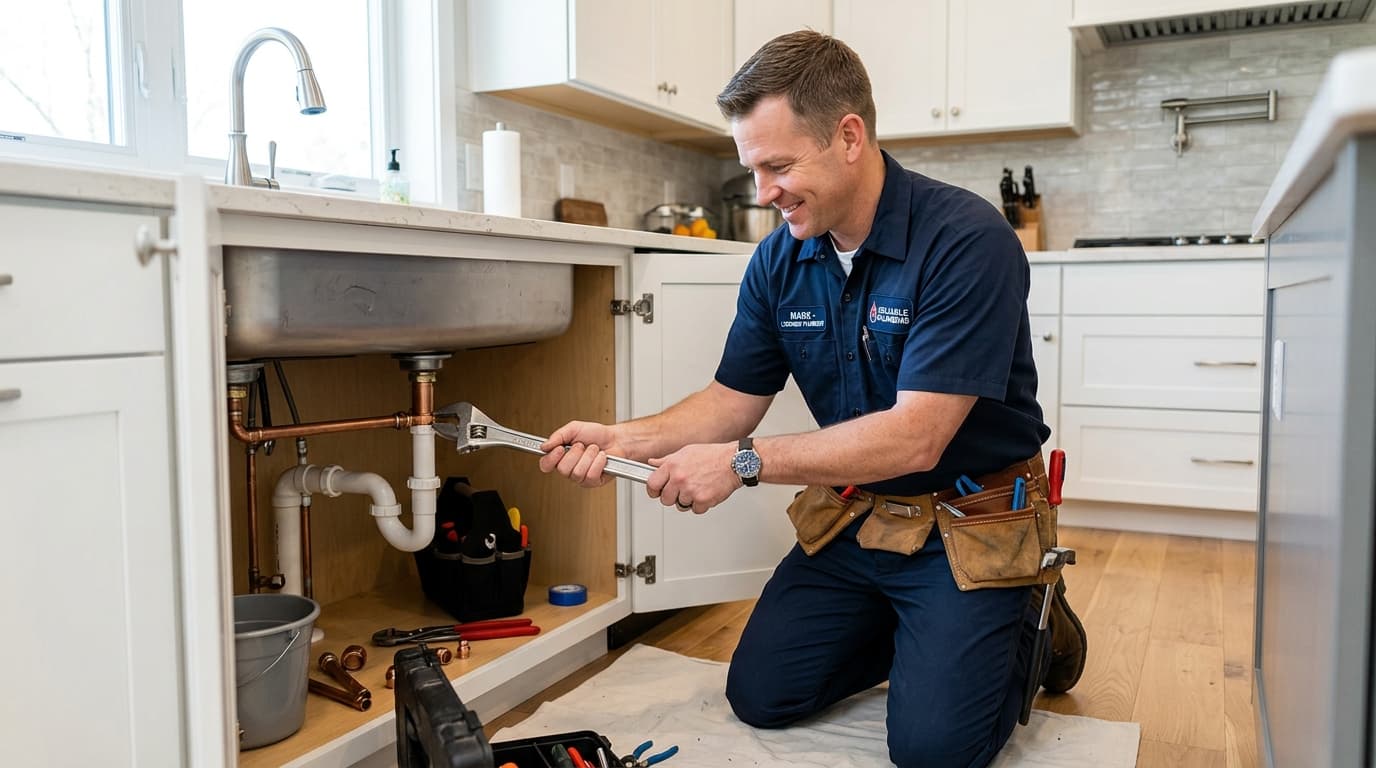
The laundry room is one of the most leak-prone rooms in the house. A washing machine pushes dozens of gallons through its hoses and drain with every load, and a single failed hose or clogged standpipe can flood a floor in minutes. Whether you're setting up a new laundry room, moving your washer, or dealing with a leak, the plumbing has to be done right.
Laundry room plumbing covers everything that brings water to your washing machine and carries it away. That includes the hot and cold water supply lines and shut-off valves (the washer box), the drain standpipe and P-trap the washer hose empties into, the vent that keeps the drain flowing, and the utility sink — if you have one — with its own faucet, drain, and trap. A proper washer hookup needs the right measurements: the standpipe is typically 18–30 inches tall, the drain needs a 2-inch line to handle a modern washer's fast pump-out, and the supply valves must be accessible so you can shut off the water quickly. Getting any of this wrong means slow draining, overflows, or leaks behind the machine.
Signs You Need Laundry Room Plumbing
- Water on the floor around the washer — a leaking hose, valve, or drain connection needs immediate attention.
- The washer drain overflows during the drain cycle — a clogged or undersized standpipe can't keep up with the pump.
- Slow draining or gurgling from the laundry drain, usually caused by buildup in the drain line or a vent problem.
- A musty smell from the washer drain — a dry trap or buildup in the standpipe lets sewer gas through.
- Old rubber washer hoses — rubber hoses should be replaced every 3–5 years, as a burst hose is a top cause of home flooding.
Our Process
Assessment
The plumber inspects the washer box, hoses, standpipe, drain, and vent, and checks for water damage behind and under the machine.
Upfront Quote
You get a clear price for the repair or installation before work begins.
Repair or Installation
The plumber replaces hoses or valves, clears the drain, installs the new hookup or utility sink, and secures every connection.
Testing
The washer is run through a full cycle to confirm the drain keeps up, nothing leaks, and hot and cold supplies work correctly.
What Affects the Cost
- Replacing washer hoses and supply valves typically runs $150–$400.
- Clearing a clogged laundry drain usually costs $150–$350.
- Installing a new washer hookup in a location with nearby plumbing generally runs $500–$1,500, while a full new laundry room rough-in can cost $2,000–$5,000.
- A utility sink installation usually runs $400–$1,200. How far new lines must run, whether walls or floors must be opened, the condition of the existing drain and vent, and local permit requirements all affect the final price.
- Costs vary by location and job; your plumber provides an exact quote after an on-site diagnosis. Emergency or after-hours service typically carries a surcharge of $50–$150 or 1.5–2x the standard rate.
✓ Safe to DIY
- Replace rubber washer hoses every 3–5 years — or upgrade to braided stainless steel hoses, which last longer.
- Turn off the washer supply valves when you go on vacation to prevent a burst-hose flood.
- Use a lint trap on the drain hose to keep lint from clogging the standpipe.
- Check behind the washer monthly for dampness, drips, or a musty smell.
✕ Stop & Call Us
- Do not keep using a washer hose that is bulging, cracked, or rusted at the fittings — replace it before it bursts.
- Do not attempt to move a washer to a different room yourself — new supply lines, a drain standpipe with a trap and vent, and sometimes a gas line all need professional rough-in.
- If a washer hose bursts, shut off the water at the washer valves or the main shut-off and call for emergency help — do not try to hold the hose in place.
Frequently Asked Questions
Why does my washer drain overflow?
The most common causes are a clogged standpipe or drain line, a standpipe that's too short or too narrow, or a washer that pumps water out faster than an old 1.5-inch drain can handle. A plumber can clear the line or upgrade the drain.
How often should washer hoses be replaced?
Rubber hoses every 3–5 years. Braided stainless steel hoses last longer — typically 5–10 years — but should still be inspected regularly for bulges, cracks, or rust at the fittings.
Can a plumber move my washer to a different room?
Yes. Moving a washer requires new hot and cold supply lines, a drain standpipe with a trap and vent, and sometimes a gas line for a gas dryer. A licensed plumber can rough in the new location properly.
What should I do if my washer hose bursts?
Shut off the water at the washer valves (or the main shut-off if you can't reach them), turn off power to the washer, and call (619) 782-6581 for emergency dispatch. Move valuables out of the water's path if it's safe to do so.
Related Services
Request Service
Step 1 of 3- Upfront pricing — no surprise charges
- Licensed, background-checked plumbers
- Cleanup included on every job
Need a Trusted Plumber Fast?
From 24/7 emergency repairs and drain clearing to water heater replacements and leak detection, licensed plumbers across the USA are standing by.