gas lines
Gas Line Safety Inspections & Pressure Testing
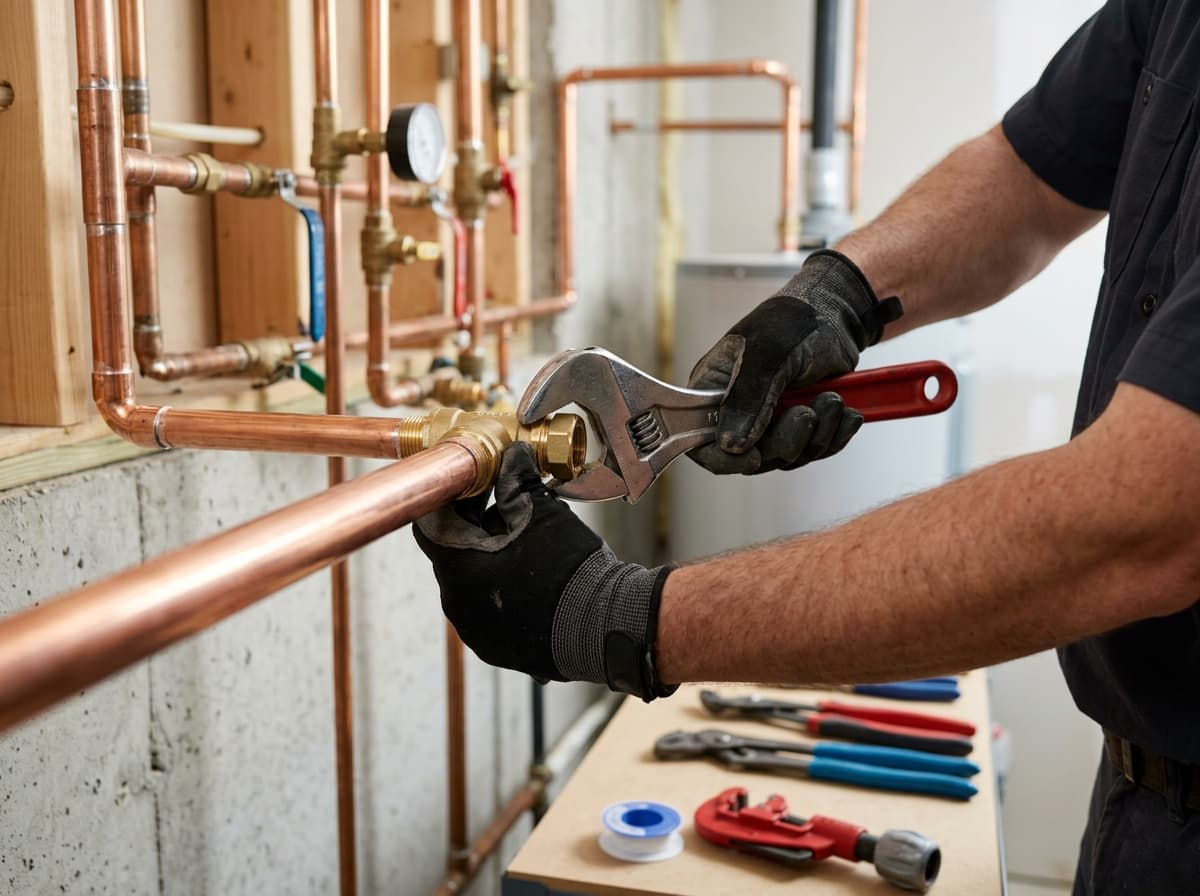
Natural gas is safe when its piping is sound — and dangerous when it isn't. A small leak can fill a home with an invisible, explosive gas, and the warning signs are easy to miss. A professional gas line inspection finds leaks, corrosion, and code violations before they become emergencies, and gives you documented proof your system is safe.
The plumber examines all visible gas lines for corrosion, damage, and improper fittings, checks connections at every gas appliance — furnace, water heater, stove, dryer, fireplace — and tests the system for leaks using electronic gas detectors, pressure gauges, or soap-bubble solution on joints. Pressure testing is the definitive check: the line is isolated, pressurized with air, and monitored to see whether it holds pressure. A drop means a leak somewhere in the system, and the plumber then locates it. Inspections also verify that the installation meets current local code — proper pipe material, shut-off valves at each appliance, sediment traps, and adequate ventilation. If you smell gas right now, leave the building immediately, do not flip any switches or use your phone inside, and call 911 and your gas utility from a safe distance. Do not wait for a plumber.
Signs You Need Gas Line Inspection
- You smell rotten eggs or sulfur — gas utilities add this odor so leaks are detectable. Never ignore it.
- A hissing sound near a gas line or appliance, caused by escaping gas.
- Dead vegetation in a patch above a buried gas line — leaking gas kills grass and plants in a distinct pattern.
- Higher gas bills with no change in usage — a leak wastes gas around the clock.
- You're buying or selling a home — a documented inspection protects buyers and satisfies many lenders and insurers.
Our Process
Visual Inspection
The plumber examines all accessible gas piping, fittings, valves, and appliance connections for corrosion, damage, and code issues.
Leak Detection
Joints and connections are tested with an electronic gas detector or soap-bubble solution.
Pressure Test
If needed, the line is isolated and pressurized to confirm it holds — or to prove a leak exists.
Written Report
You receive a clear report of findings, including any leaks, code violations, and recommended repairs.
What Affects the Cost
- A standard residential gas line inspection typically runs $150–$400.
- A pressure test with a written report generally adds $100–$300, and is often required for home sales or after gas service has been shut off.
- A full inspection of a large home or commercial property usually costs $400–$900.
- Property size, the number of gas appliances, how accessible the piping is, and whether a permit or utility coordination is required all affect the final price.
- Costs vary by location and job; your plumber provides an exact quote after an on-site diagnosis. Emergency or after-hours service typically carries a surcharge of $50–$150 or 1.5–2x the standard rate.
✓ Safe to DIY
- Install carbon monoxide detectors on every floor and test them monthly — gas appliances can produce CO when they malfunction.
- Know where your gas shut-off valve is and how to turn it off in an emergency.
- Keep the area around gas appliances clear and never store flammable items near them.
- Call 811 before digging anywhere in your yard to avoid hitting a buried gas line.
✕ Stop & Call Us
- Never do gas work yourself — gas piping requires a licensed professional. DIY gas work is dangerous and illegal in most areas.
- Never attempt to repair, move, or disconnect a gas line, valve, or appliance connection yourself.
- Never ignore a gas smell — leave the building immediately, do not flip switches or use your phone inside, and call 911 and your gas utility from a safe distance.
- Never use a flame or lighter to check for a gas leak.
Frequently Asked Questions
How is a gas line inspection different from gas line repair?
An inspection is a diagnostic safety check — it finds leaks, corrosion, and code problems and documents them. Repair is the follow-up work that fixes what the inspection finds. You may need one, the other, or both.
What does a gas line pressure test involve?
The plumber isolates a section of gas line, pressurizes it with air, and watches a gauge. If pressure holds steady, the line is sound. If it drops, there's a leak, and the plumber locates it.
How often should gas lines be inspected?
Every 2–3 years for most homes, annually for homes over 30 years old, and any time you buy a home, renovate, or notice a gas smell or unexplained bill increase.
What should I do if I smell gas?
Leave the building immediately. Don't turn lights or appliances on or off, don't use your phone inside, and don't start your car in an attached garage. Call 911 and your gas utility from a safe distance.
Related Services
Request Service
Step 1 of 3- Upfront pricing — no surprise charges
- Licensed, background-checked plumbers
- Cleanup included on every job
Need a Trusted Plumber Fast?
From 24/7 emergency repairs and drain clearing to water heater replacements and leak detection, licensed plumbers across the USA are standing by.