water lines
Frozen Pipe Repair & Emergency Thawing
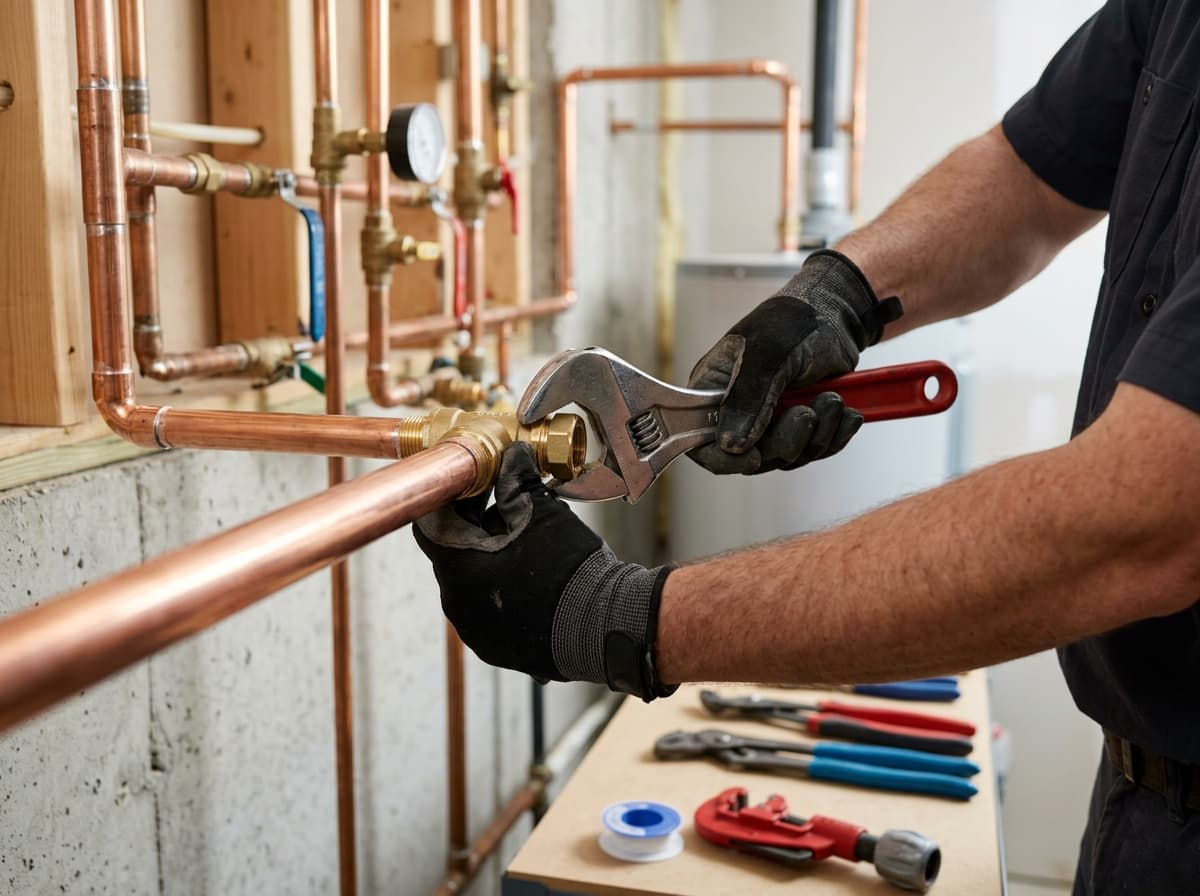
Pipes freeze when temperatures drop to around 20°F (-7°C) or below, especially in unheated spaces: exterior walls, crawl spaces, attics, garages, and basements. Pipes running along outside walls are the most vulnerable, and a sudden cold snap can freeze a pipe that survived milder winters for years. The danger is not just the ice itself — as water freezes it expands, building pressure that can split a pipe open.
A burst pipe often goes unnoticed until the ice thaws, when water pours through the crack and floods walls, floors, and ceilings. That is why a frozen pipe is an emergency even before it bursts: professional thawing relieves the pressure safely, and a plumber can find and repair any cracks before the thaw turns into water damage. After the repair, insulation and heat tape protect the line through the rest of the winter.
Signs You Need Frozen Pipe Repair
- No water — or only a trickle — coming from a faucet when the tap is open.
- Frost visible on exposed pipes, or a section of pipe that feels icy to the touch.
- Strange smells coming from a faucet or drain, caused by a blocked frozen section.
- A bulging, cracked, or split section of visible pipe.
- Water stains, pooling, or dripping after a cold snap, which usually means a pipe has already burst.
Our Process
Shut Off Water & Locate the Freeze
The plumber shuts off the main water supply to limit damage, then traces the frozen section using the layout of your plumbing and temperature checks.
Safe Thawing
The frozen section is thawed gradually with safe heat — a hair dryer, heat tape, or a professional pipe-thawing machine — starting from the faucet end so melting water can escape.
Inspect & Repair Burst Sections
Once thawed, the line is inspected for cracks or splits. Any burst section is cut out and replaced, and all joints are checked for leaks.
Insulate & Prevent
Exposed pipes are insulated, heat tape is fitted where needed, and the plumber advises on keeping the line safe through the rest of the winter.
What Affects the Cost
- Thawing a frozen pipe typically costs $200–$500, depending on how hard the pipe is to reach.
- Repairing a burst pipe section usually runs $500–$2,000 or more, depending on the location and the extent of the damage.
- Water damage cleanup and restoration after a burst is a separate cost and can run $1,000–$5,000 or more.
- Preventive pipe insulation generally costs $2–$5 per foot installed, and heat tape adds to the total.
- Costs vary by location and job; your plumber provides an exact quote after an on-site diagnosis. Emergency or after-hours service typically carries a surcharge of $50–$150 or 1.5–2x the standard rate.
✓ Safe to DIY
- Open the affected faucet to relieve pressure and let melting water escape while the pipe thaws.
- Apply gentle heat with a hair dryer, moving it slowly along the frozen section.
- Open cabinet doors under sinks on exterior walls so warm room air can reach the pipes.
- Let faucets drip slightly during extreme cold snaps to keep water moving through the line.
✕ Stop & Call Us
- Never use an open flame, blowtorch, or propane heater to thaw a pipe — it is a fire hazard and can crack the pipe.
- Never leave a space heater unattended near pipes or inside a wall cavity.
- Do not ignore a burst pipe: shut off the main water supply immediately and call a plumber.
Frequently Asked Questions
At what temperature do pipes freeze?
Pipes can freeze when temperatures fall to around 20°F (-7°C) or below, especially uninsulated pipes in exterior walls, crawl spaces, attics, and garages. Wind chill and a sudden cold snap increase the risk.
What should I do if a pipe bursts?
Shut off your main water supply immediately, open faucets to drain the remaining water, turn off electricity in the affected area if water is near outlets, and call a plumber right away. Move valuables out of the water if it is safe to do so.
Does homeowners insurance cover burst pipes?
Most standard homeowners policies cover sudden and accidental water damage from a burst pipe, but they usually do not cover damage from neglect — such as leaving a home unheated in winter. Check your policy and document the damage.
How can I prevent frozen pipes?
Insulate exposed pipes, keep your home heated to at least 55°F even when you are away, let faucets drip during extreme cold, open cabinet doors on exterior walls, and disconnect outdoor hoses before winter.
Related Services
Request Service
Step 1 of 3- Upfront pricing — no surprise charges
- Licensed, background-checked plumbers
- Cleanup included on every job
Need a Trusted Plumber Fast?
From 24/7 emergency repairs and drain clearing to water heater replacements and leak detection, licensed plumbers across the USA are standing by.