water lines
Backflow Prevention Testing, Installation & Certification
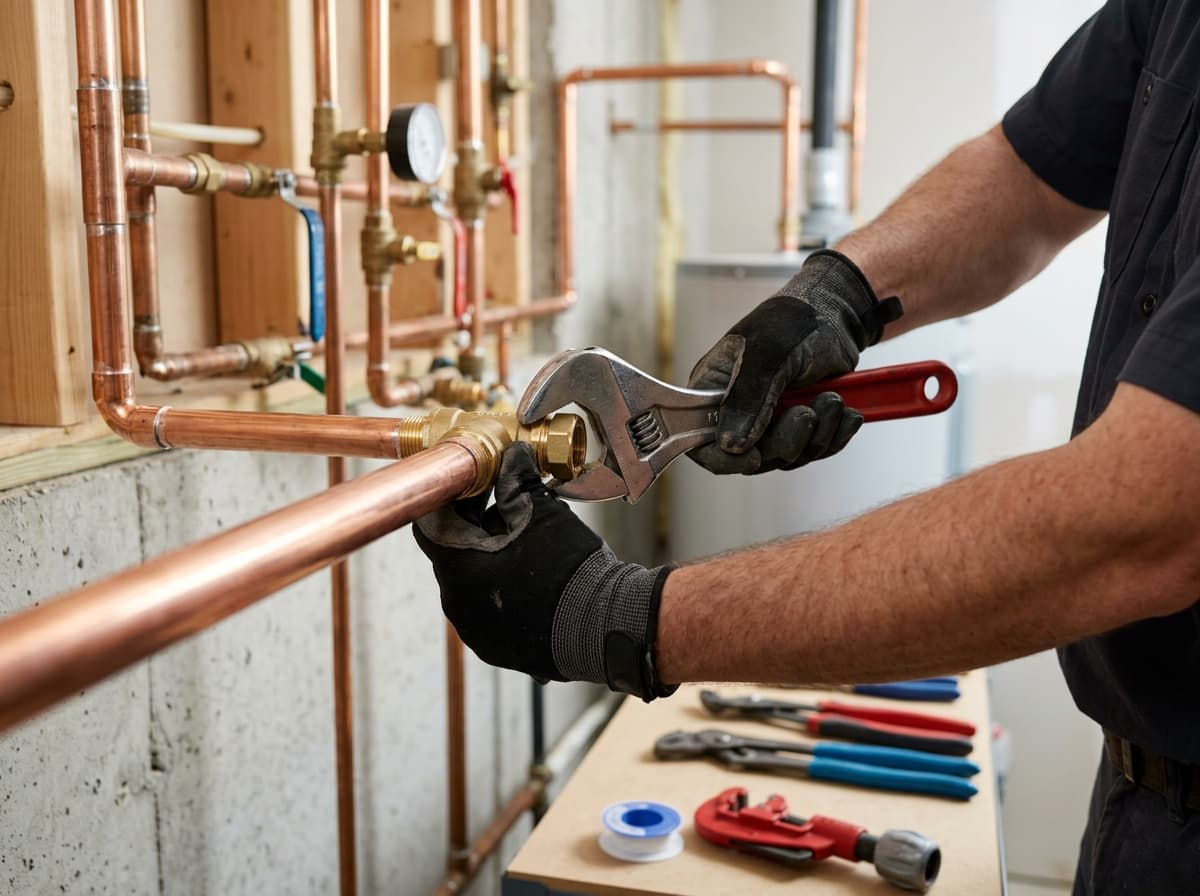
Backflow happens when water flows in the wrong direction through your plumbing — pushing contaminated water from irrigation systems, boilers, or commercial equipment back into the clean drinking water supply. A backflow preventer is a one-way valve assembly that stops that reversal and protects your household or business water. Many US cities and water utilities require backflow prevention devices on certain properties and require annual testing by a certified tester.
Backflow preventers come in several types, and the right one depends on your property and local code. A Pressure Vacuum Breaker (PVB) is common on irrigation and sprinkler systems, a Double Check Valve Assembly (DCVA) is used for low-hazard connections, a Reduced Pressure Zone Assembly (RPZ) provides the highest level of protection for high-hazard connections such as boilers and commercial facilities, and an Atmospheric Vacuum Breaker (AVB) is a simpler device used on hose bibbs and individual fixtures. Your local water authority or plumbing code determines which device your property needs.
Signs You Need Backflow Prevention
- Your water utility sent a testing notice — most jurisdictions require annual backflow testing, and the notice means your test is due.
- Discolored or bad-tasting water, such as brown, yellow, or foul-smelling water, which can be a sign of contamination.
- A new irrigation system, boiler, or commercial hookup that requires a backflow device under local code.
- A failed annual test — if your device failed inspection, it needs repair or replacement before the utility deadline.
- Visible leaking or damage around the backflow assembly, especially after freezing weather.
Our Process
Assessment & Code Check
The plumber identifies your device type, checks local code requirements, and inspects the assembly.
Testing or Installation
For testing, the plumber uses calibrated gauges to verify the device holds pressure correctly. For installation, the plumber mounts the correct assembly, connects it to your water line, and ensures proper drainage.
Certification Paperwork
If your device passes, the plumber completes the test report and files it with your water authority as required.
Repairs & Retest
If a device fails, the plumber can replace check valves, relief valves, or the full assembly and retest it.
What Affects the Cost
- Annual backflow testing typically costs around $125 per device, with a common range of $75–$200 depending on your area and device type.
- Installation of a new backflow preventer generally runs $300–$1,500 — a PVB for a sprinkler system is on the lower end, while an RPZ assembly for a commercial property is on the higher end.
- Repairs such as replacing internal check valves typically cost $150–$400.
- Pipe size, accessibility, and permit or water-authority filing fees in some cities also affect the total.
- Costs vary by location and job; your plumber provides an exact quote after an on-site diagnosis. Emergency or after-hours service typically carries a surcharge of $50–$150 or 1.5–2x the standard rate.
✓ Safe to DIY
- Keep the area around the device clear so testers and plumbers can access it easily.
- Protect outdoor devices from freezing by insulating or draining them before winter in cold climates.
- Keep your test records in case your water authority asks for proof of compliance.
✕ Stop & Call Us
- Never remove or bypass a backflow preventer — doing so can violate local code and put your water supply at risk.
- Do not attempt to test the device yourself; most jurisdictions require a certified tester with calibrated gauges.
- Do not ignore a testing notice from your water utility — missed deadlines can lead to fines or water shutoff.
Frequently Asked Questions
Is backflow testing required by law?
In most US cities and counties, yes — properties with backflow prevention devices must have them tested annually by a certified tester, and results are reported to the water authority. Requirements vary by location.
How much does backflow testing cost?
Testing typically costs around $125 per device, with a common range of $75–$200 depending on your area and device type. Costs vary by location and job.
What happens if my backflow preventer fails the test?
The plumber can usually repair it on the spot by replacing worn check valves or seals, then retest it. If the device is too damaged, it will need to be replaced and the new device tested and certified.
Can any plumber test a backflow preventer?
No — most jurisdictions require the tester to hold a backflow certification. Our network connects you with licensed local plumbers qualified to test and certify devices in your area.
Related Services
Request Service
Step 1 of 3- Upfront pricing — no surprise charges
- Licensed, background-checked plumbers
- Cleanup included on every job
Need a Trusted Plumber Fast?
From 24/7 emergency repairs and drain clearing to water heater replacements and leak detection, licensed plumbers across the USA are standing by.